Child Rights Coalition Asia https://www.crcasia.org/ Child Rights Coalition Asia (CRC Asia) is a regional network of child rights and human rights organizations working together to be a strong voice for child rights in the region. Wed, 06 Aug 2025 08:56:42 +0000 en-US hourly 1 https://wordpress.org/?v=6.8.2 https://www.crcasia.org/wp-content/uploads/2020/01/cropped-CRC-Asia-Logo-150x150.png Child Rights Coalition Asia https://www.crcasia.org/ 32 32 2025 Asia-Pacific Partnership Meeting: A Decade of Action for Children’s Rights in a Changing World https://www.crcasia.org/2025-asia-pacific-partnership-meeting-a-decade-of-action-for-childrens-rights-in-a-changing-world/ Wed, 06 Aug 2025 08:52:18 +0000 https://www.crcasia.org/?p=26783 The post 2025 Asia-Pacific Partnership Meeting: A Decade of Action for Children’s Rights in a Changing World appeared first on Child Rights Coalition Asia.

]]>

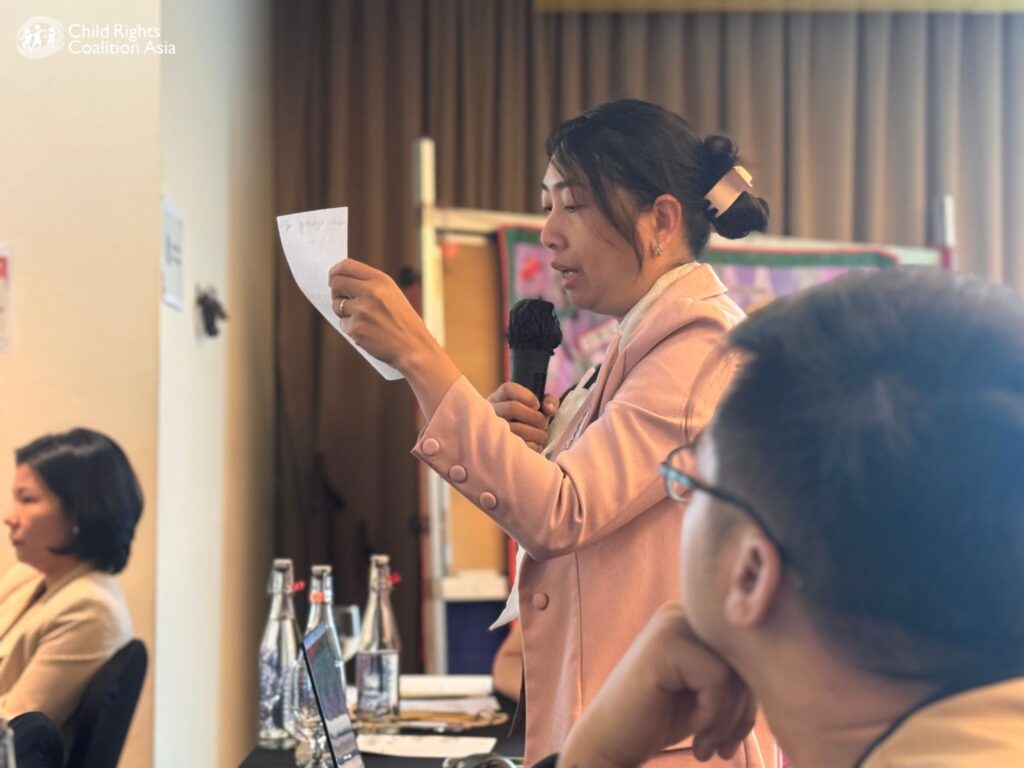
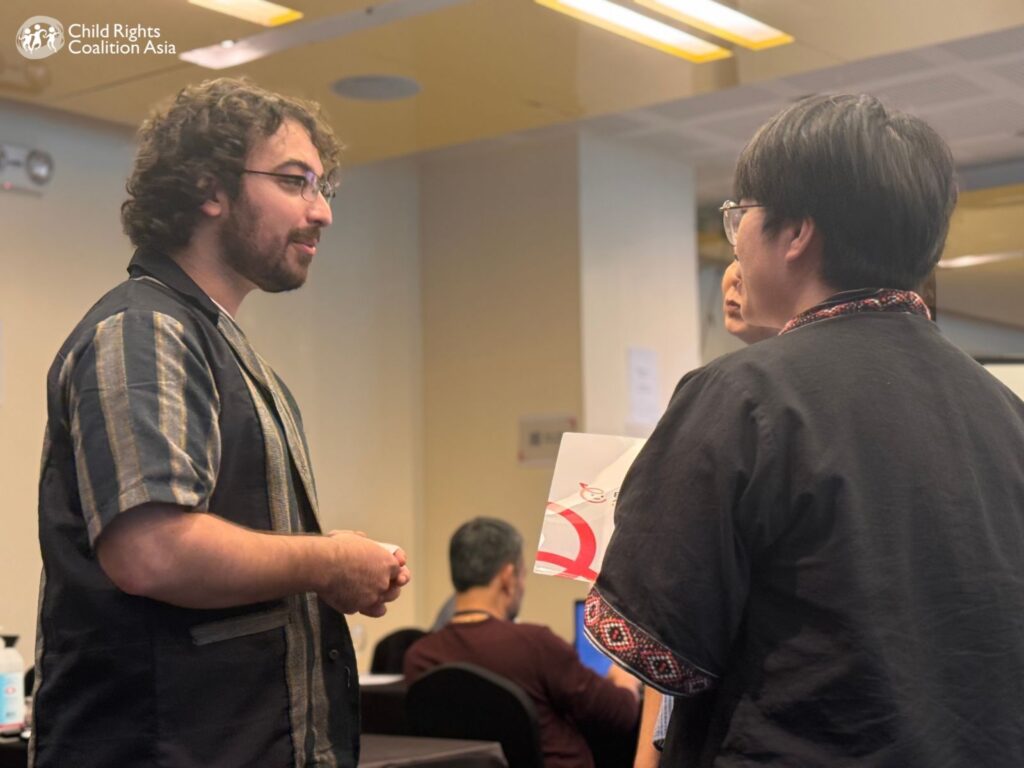
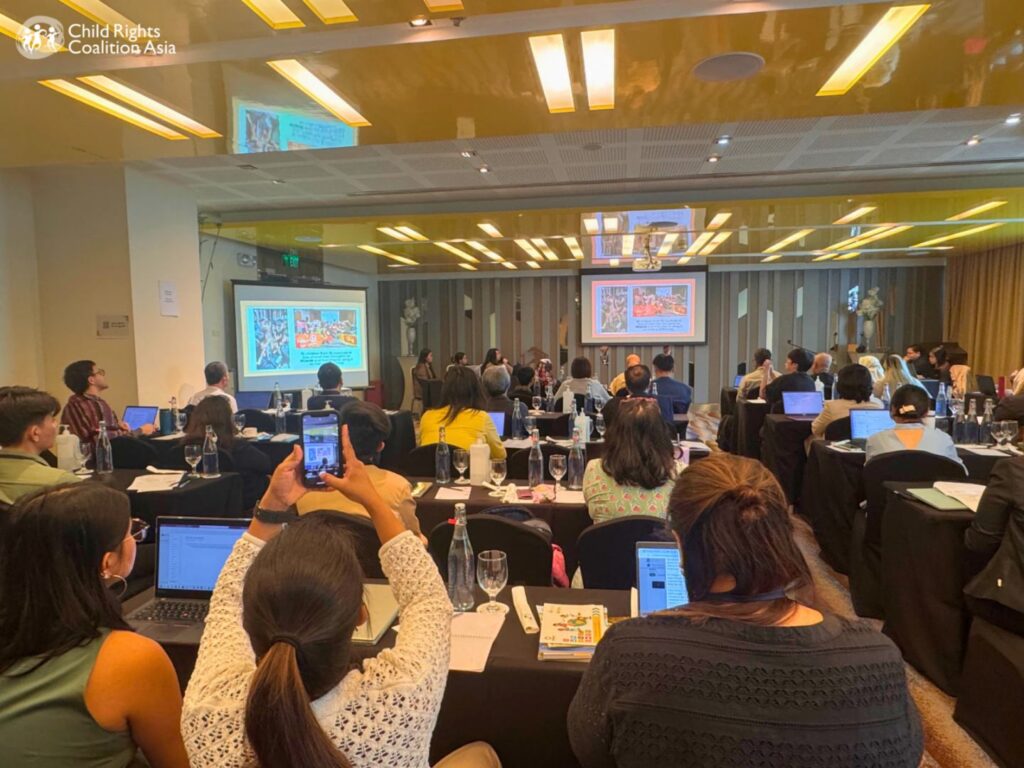
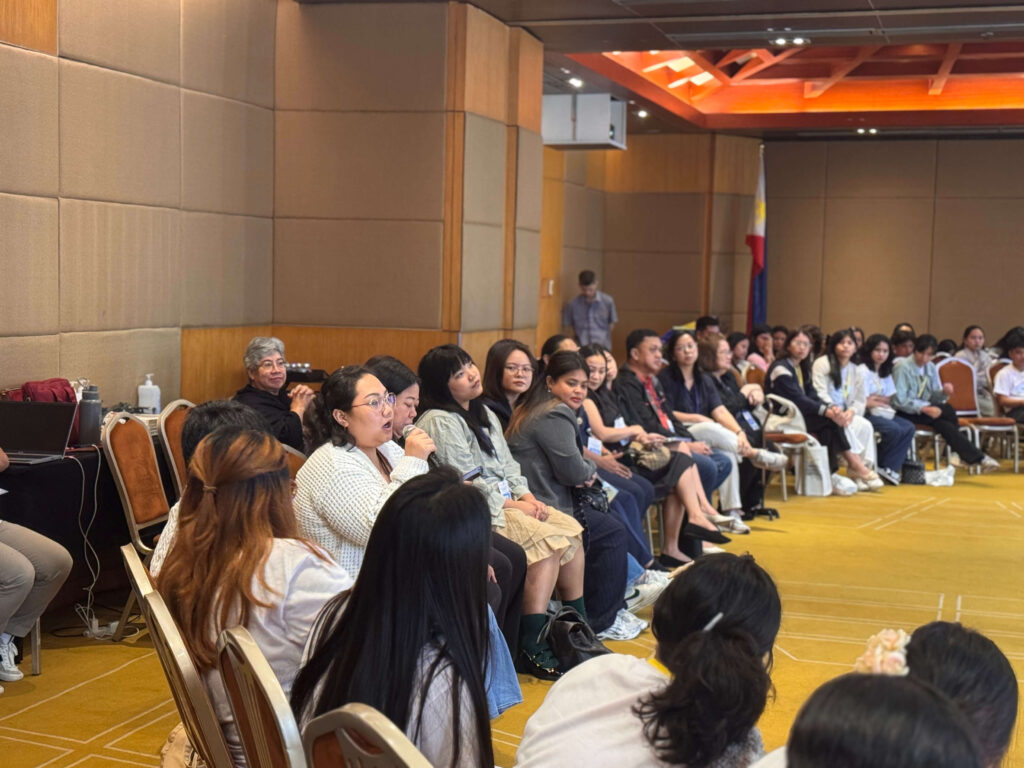
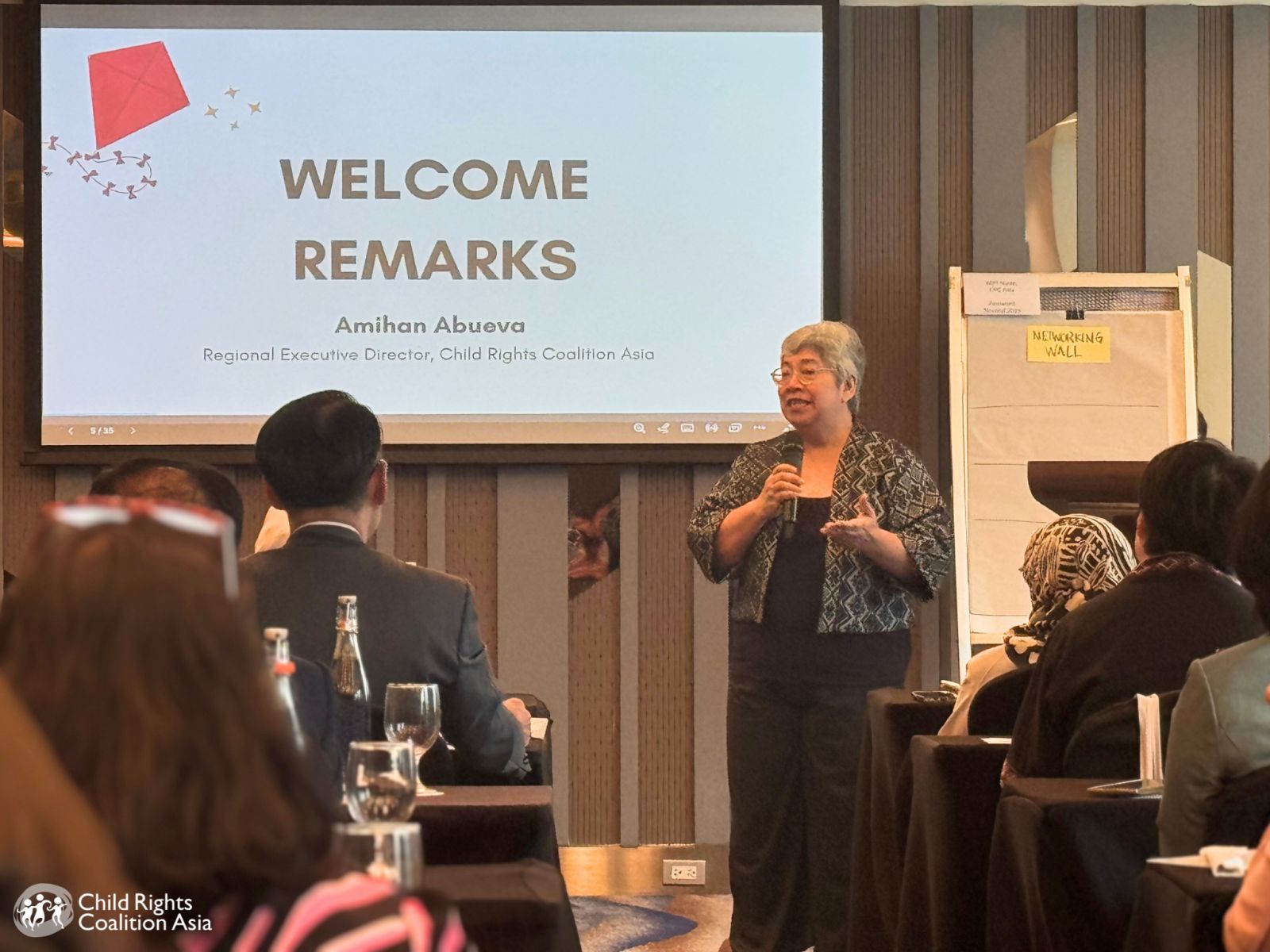
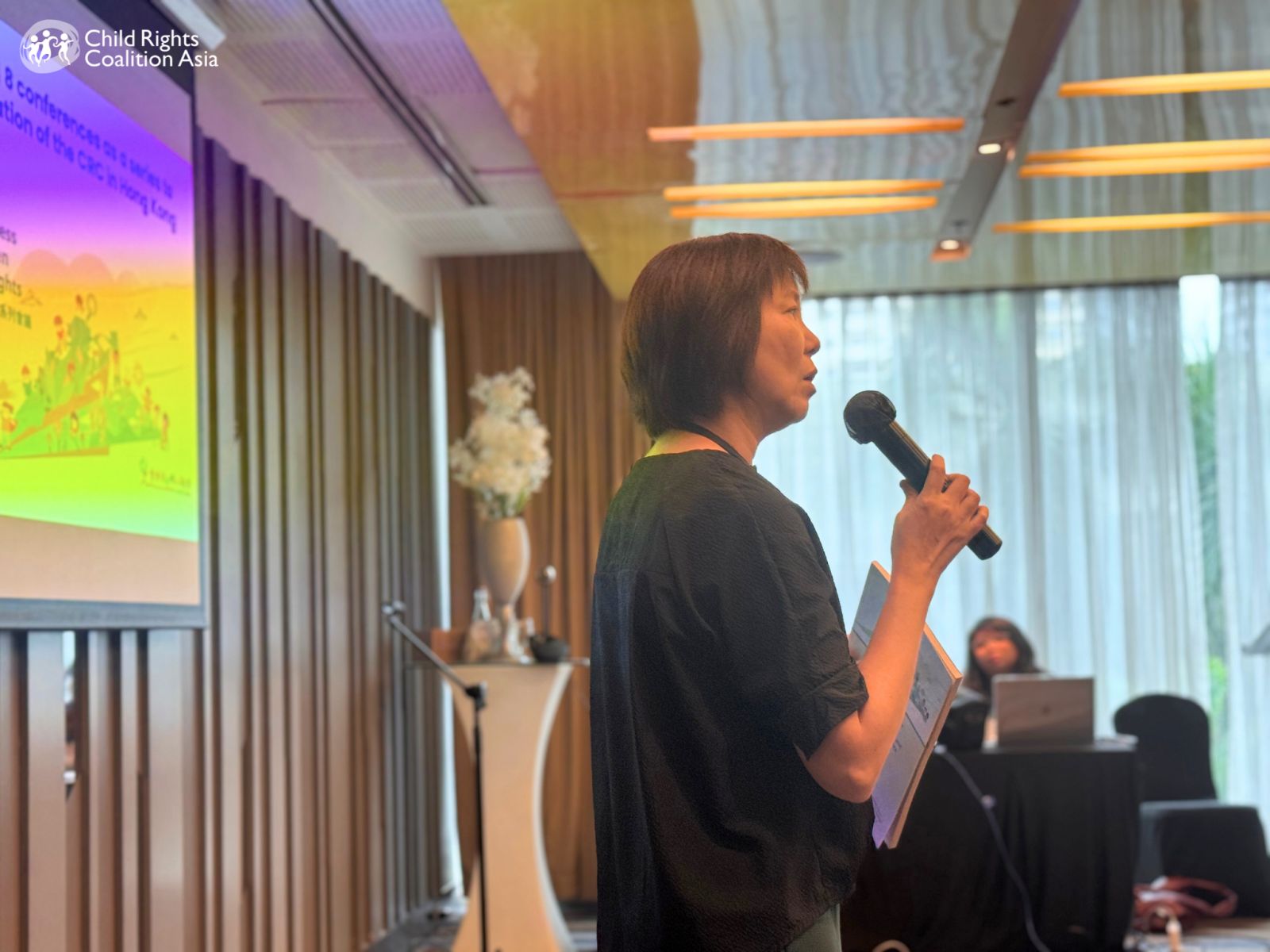
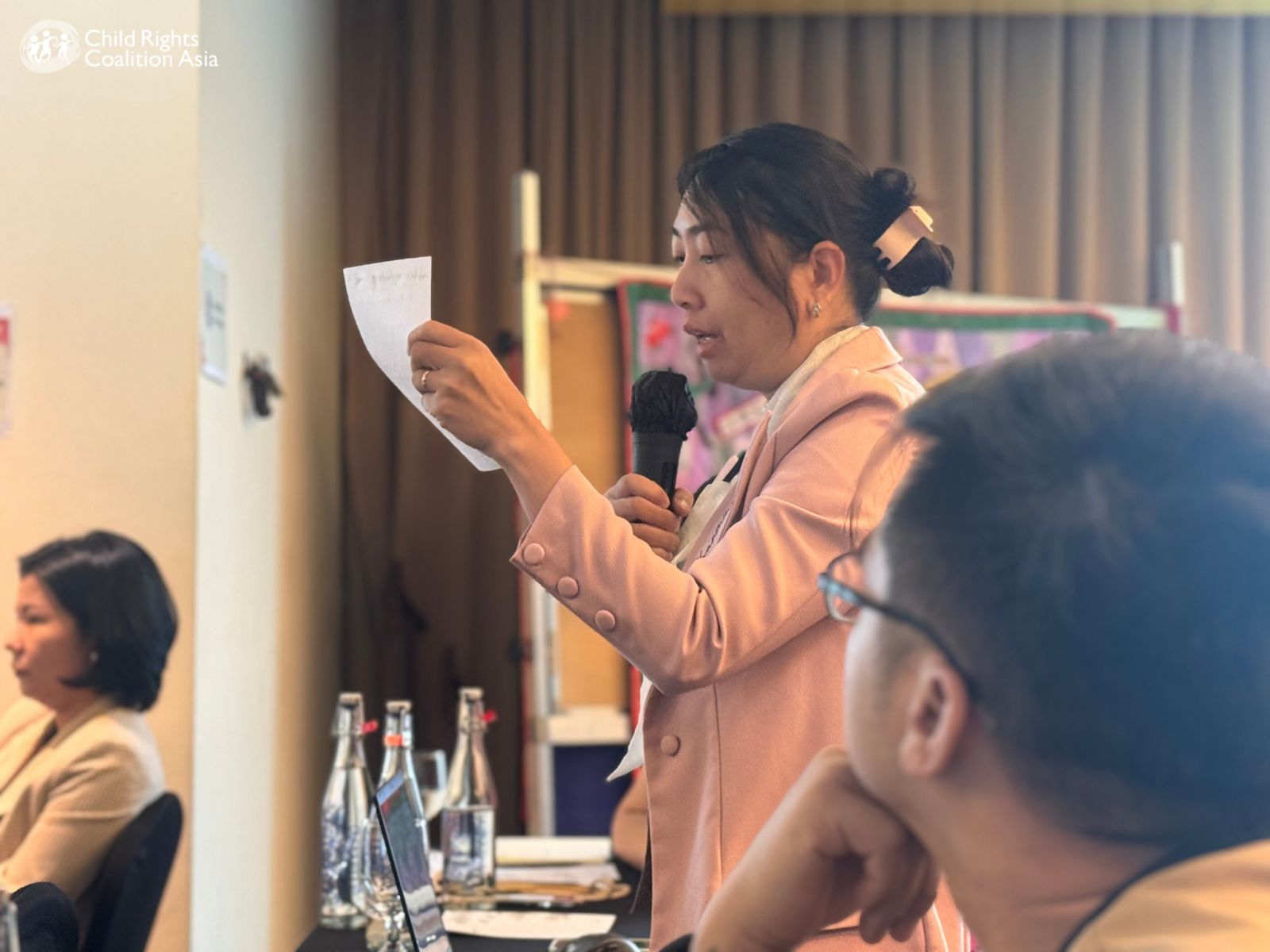
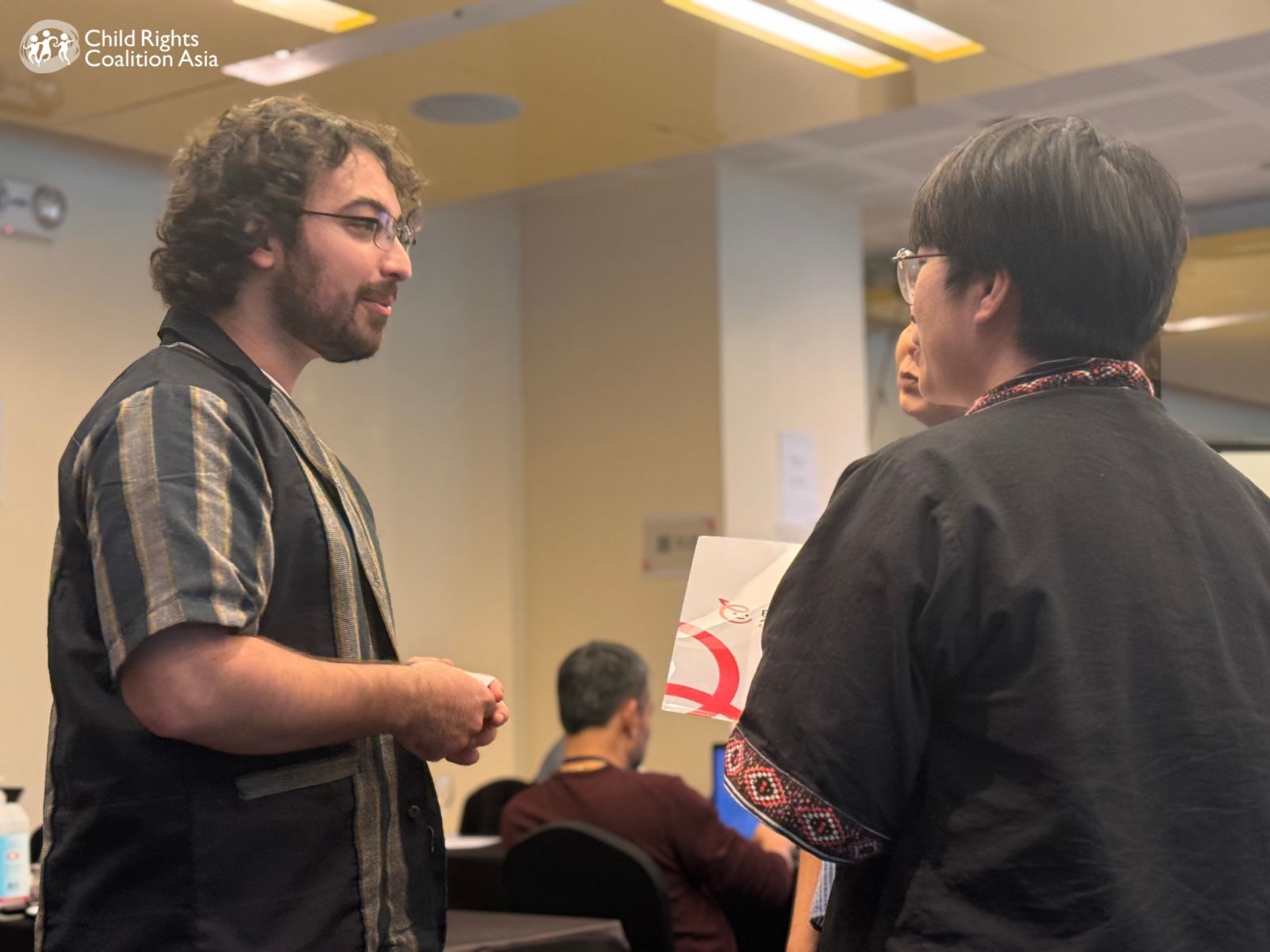
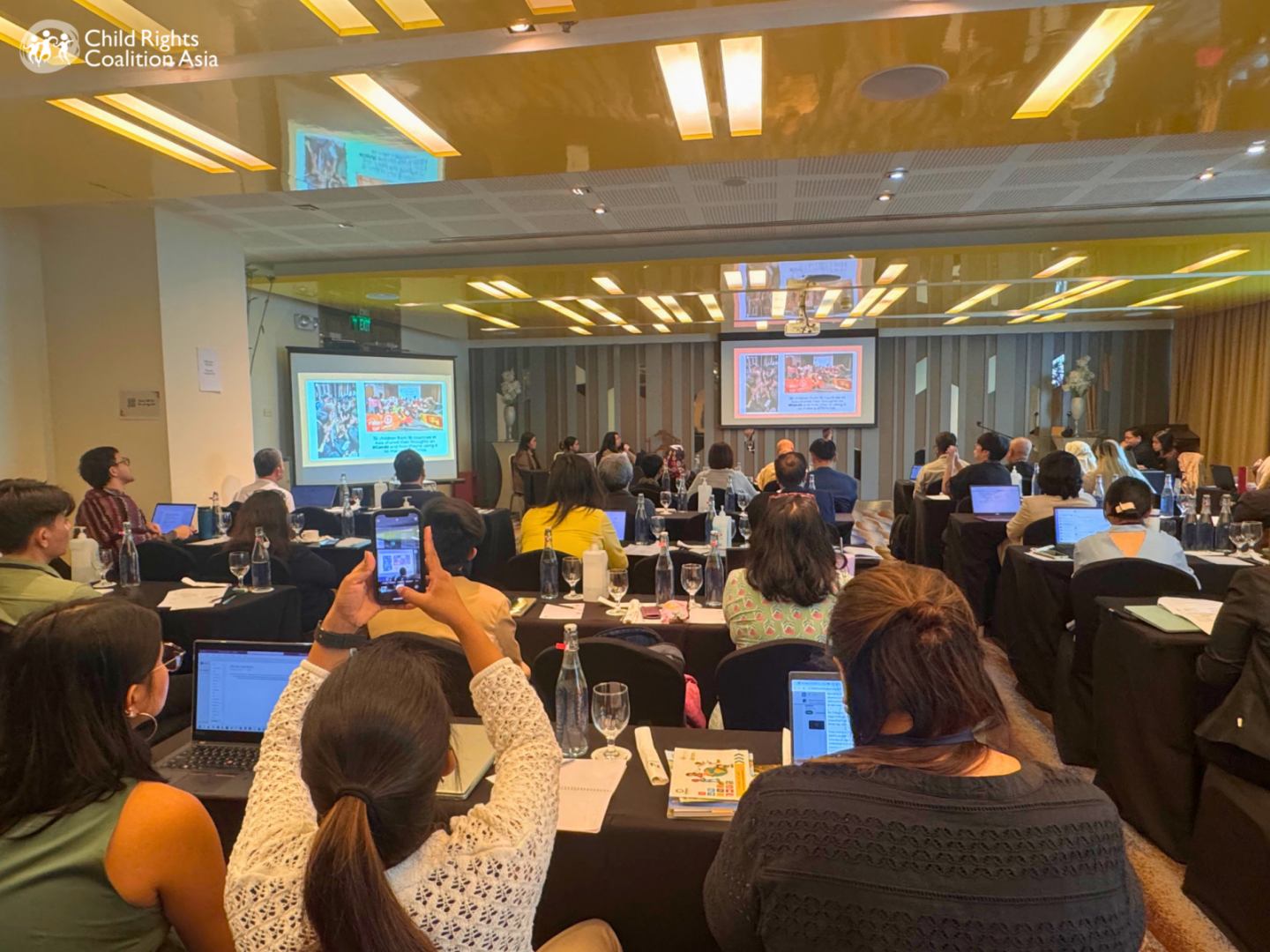
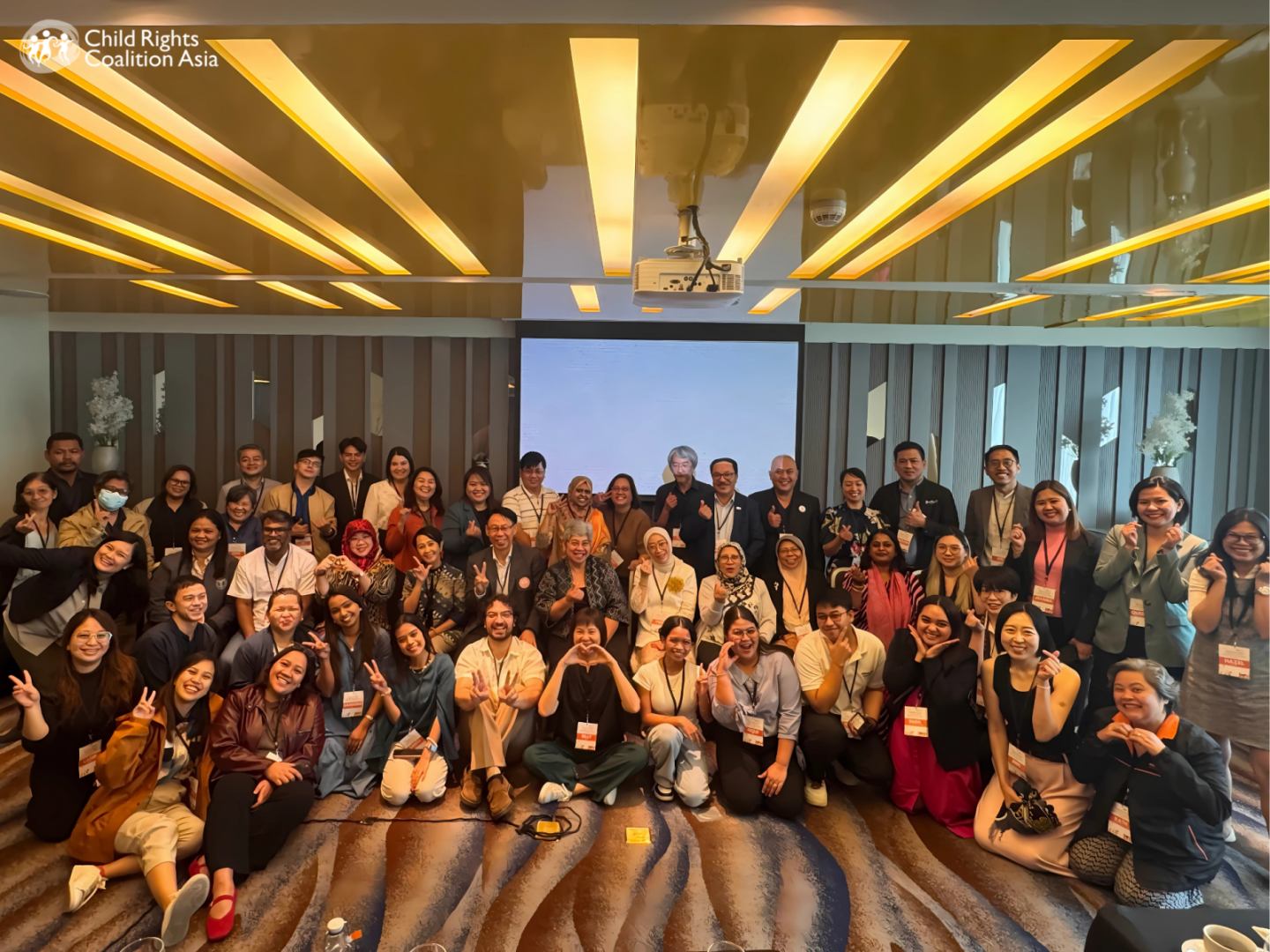
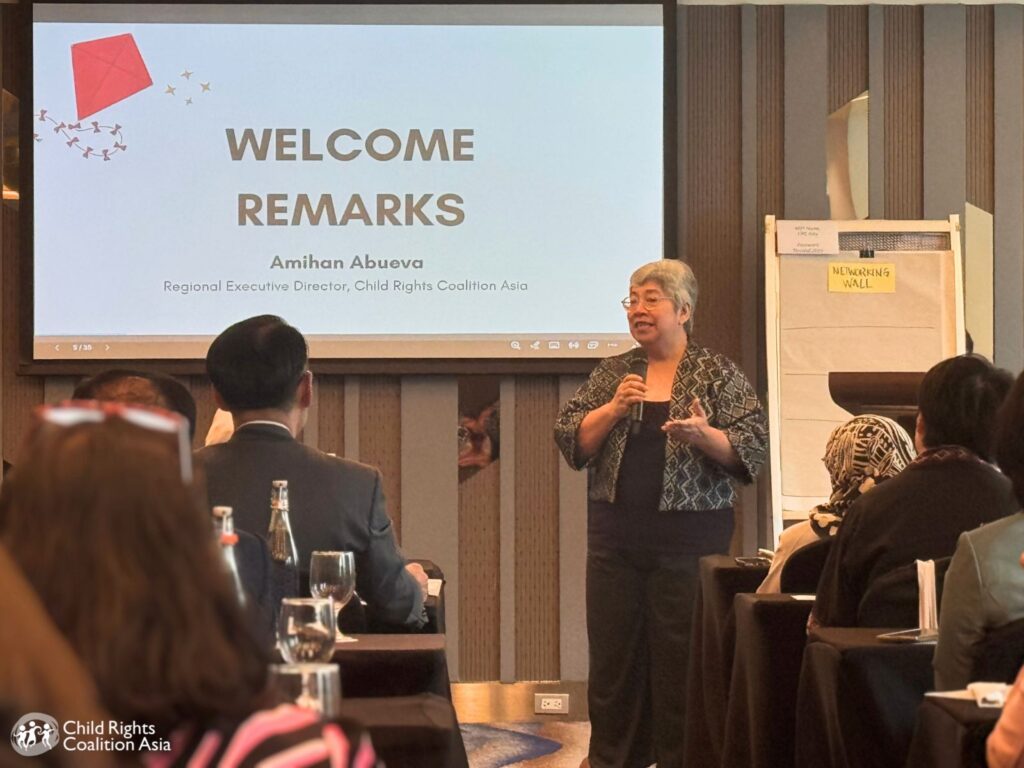
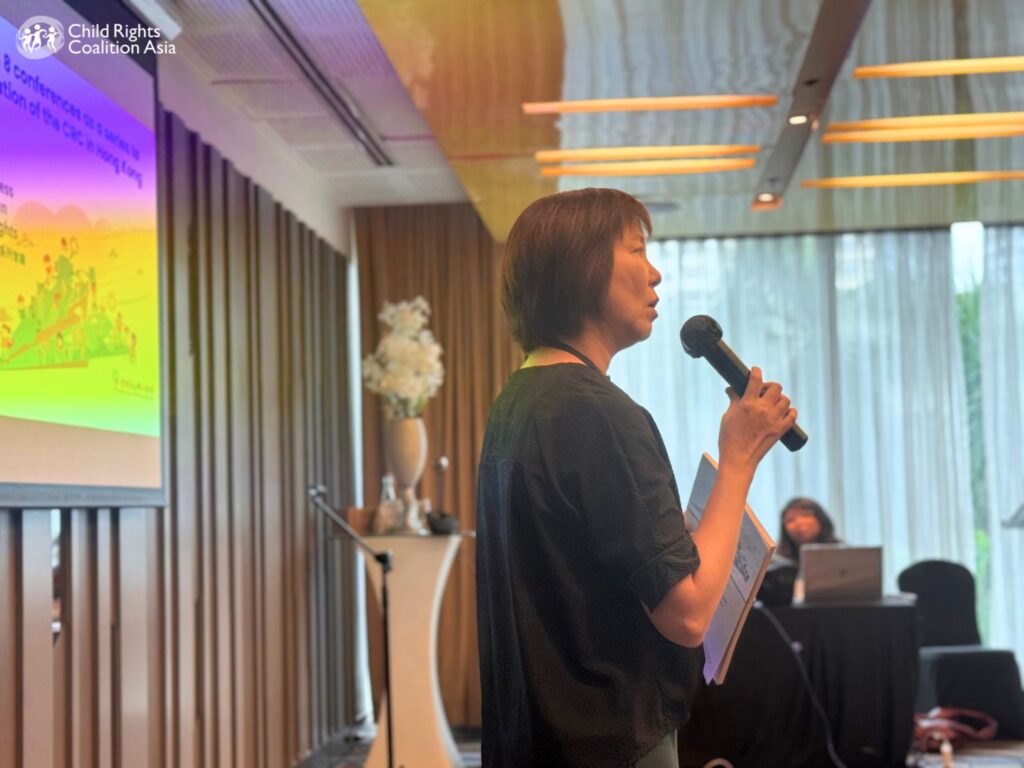
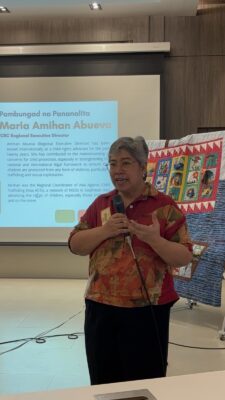
MANILA, Philippines – From July 28 to 30, 2025, Child Rights Coalition Asia (CRC Asia) marked a significant milestone in regional collaboration by hosting the 10th Asia-Pacific Partnership Meeting of Child Rights Coalitions and Networks (APPM) in Novotel Manila Araneta Center, Quezon City, Philippines. Anchored in the theme, “A Decade of Action: Advancing Children’s Rights in a Changing World,” the gathering brought together more than 70 child rights advocates, civil society partners, private sector representatives, and international allies across the Asia-Pacific region.

Over the past decade, the APPM has evolved into a vital platform for cross-border solidarity, peer learning, and coordinated advocacy for children’s rights. This year’s meeting came at a time of global transformation—rising isolationism, climate emergencies, technological disruption, and shrinking civic spaces—making the need for collective action more urgent than ever.

Advancing SRHR and Preventing Sexual Exploitation and Abuse

The APPM opened with a discussion on how ensuring access to sexual and reproductive health and rights (SRHR) is central to preventing sexual exploitation and abuse (SEC). Through the Stepping Up the Fight Against Sexual Exploitation (SUFASEC) Program and other regional initiatives, participants shared rights-based, peer-led strategies in schools and in the communities, as well as current efforts to strengthen mental health support for frontline workers.

Updates to the Luxembourg Guidelines were introduced, while participants reflected on recent Australian research into the influence of online masculinities on adolescent boys.

Securing Children’s Access to Justice and Remedies

Building on momentum from previous consultations, the session on access to justice emphasized dismantling legal barriers that prevent children from seeking redress.

Insights contributed to the ongoing development of UN CRC General Comment No. 27, with discussions aligning closely with Child Rights Connect’s Strategic Vision on Child Human Rights Defenders, reinforcing the idea that children must be recognized and supported as active rights-holders and accountability agents.

 Protecting Children in the Digital Environment

Technology’s impact on children was another key theme. Findings from CRC Asia’s consultations with children on the digital environment—including #GenAI and #GenZFeelsForReels—highlighted the dual role of digital platforms as spaces for empowerment and risk.

The Children and AI Design Code by the 5Rights Foundation offered a new benchmark for ethical, child-focused digital development. A researcher presented insights into children’s use of AI companions, while Google shared approaches to embedding AI into products and services with safety in mind.

Representatives from Tiktok discussed technologies and initiatives to enhance teen safety and explored how civil society can engage with platforms. A panel featuring the Australian eSafety Commissioner, the Australian Child Rights Taskforce, and a UNICEF expert debated social media age restrictions for children under 16.

Investing in a Healthy and Sustainable Environment

The environmental justice session took a focused approach on public investments in ensuring children’s right to a clean, healthy, and sustainable environment. Discussions addressed the Loss and Damage Fund, practical applications of UN CRC General Comment No. 26, and the intersection of AI and climate advocacy.

Mainstreaming Children’s Rights Across All Sectors

The APPM also featured discussions on integrating children’s rights across governance systems. Updates were presented on the UN Guidance Note on Child Rights Mainstreaming, efforts toward the development of a Fourth Optional Protocol to the CRC, and the importance of investing in the social service workforce and supporting girls’ leadership.

Speakers emphasized the critical need for whole-of-society approaches to child rights implementation.

Looking Ahead

The 2025 APPM reaffirmed that regional solidarity remains a powerful force. As the Asia-Pacific child rights coalitions and network celebrates ten years of partnership, the commitment is clear: to continue building a just, inclusive, and sustainable world with children, for the children—even in a changing world.

The post 2025 Asia-Pacific Partnership Meeting: A Decade of Action for Children’s Rights in a Changing World appeared first on Child Rights Coalition Asia.

]]>
Gen Z Feels for Reels: Listening to Children on Digital Rights https://www.crcasia.org/gen-z-feels-for-reels-listening-to-children-on-digital-rights/ Mon, 14 Jul 2025 04:00:59 +0000 https://www.crcasia.org/?p=26764 The post Gen Z Feels for Reels: Listening to Children on Digital Rights appeared first on Child Rights Coalition Asia.

]]>

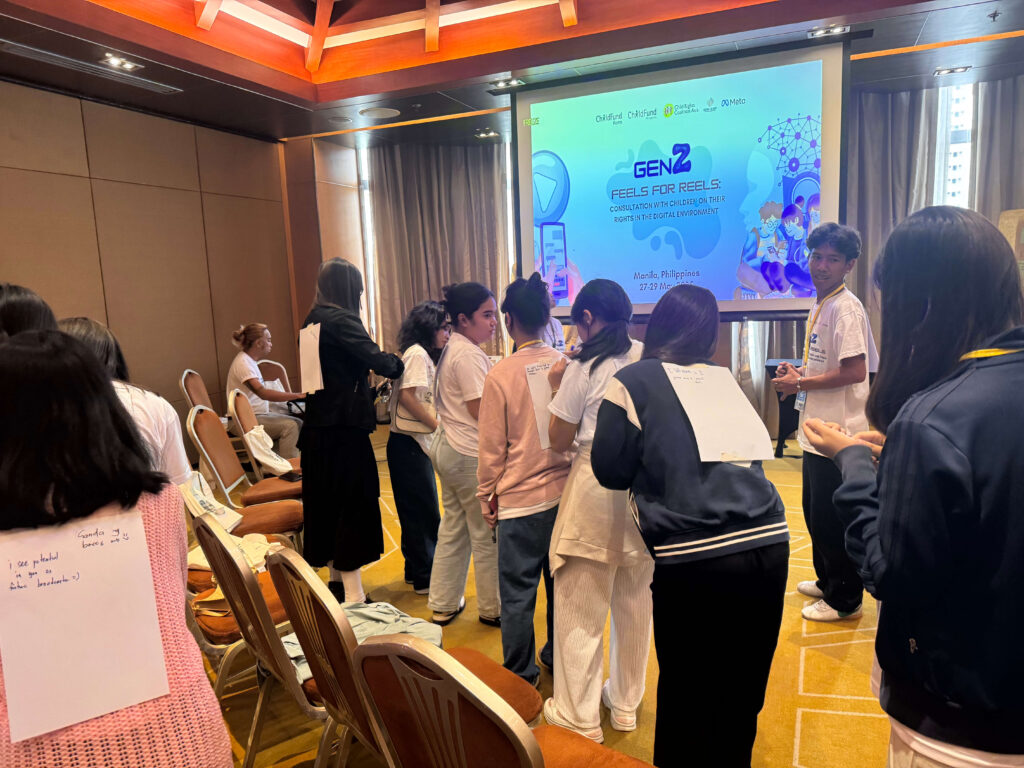
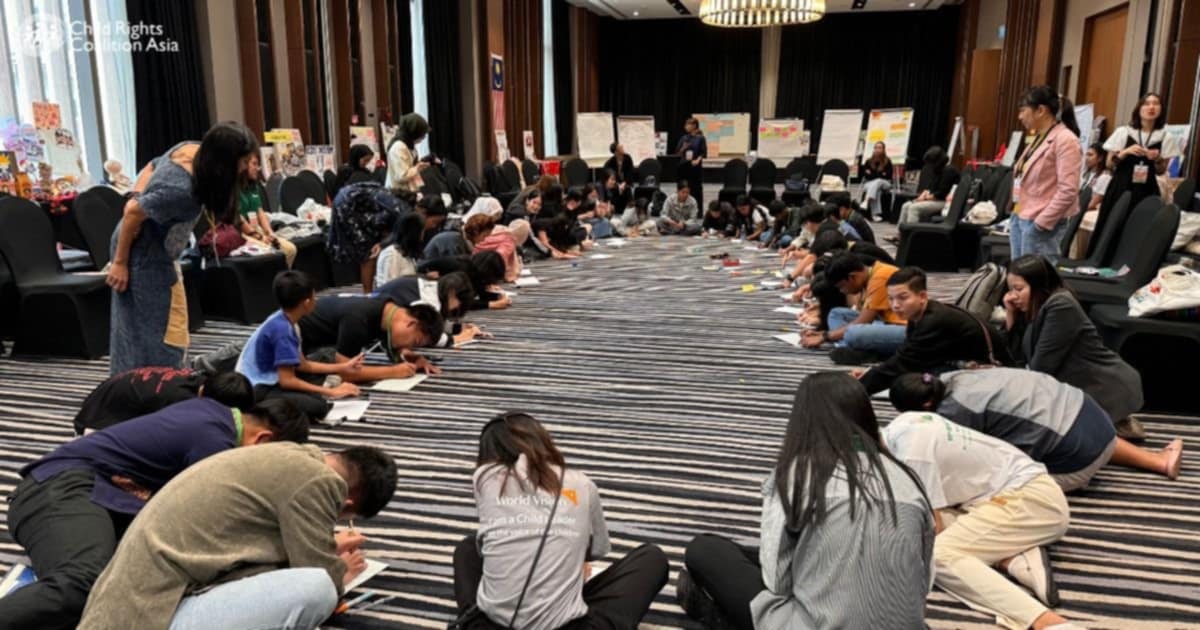
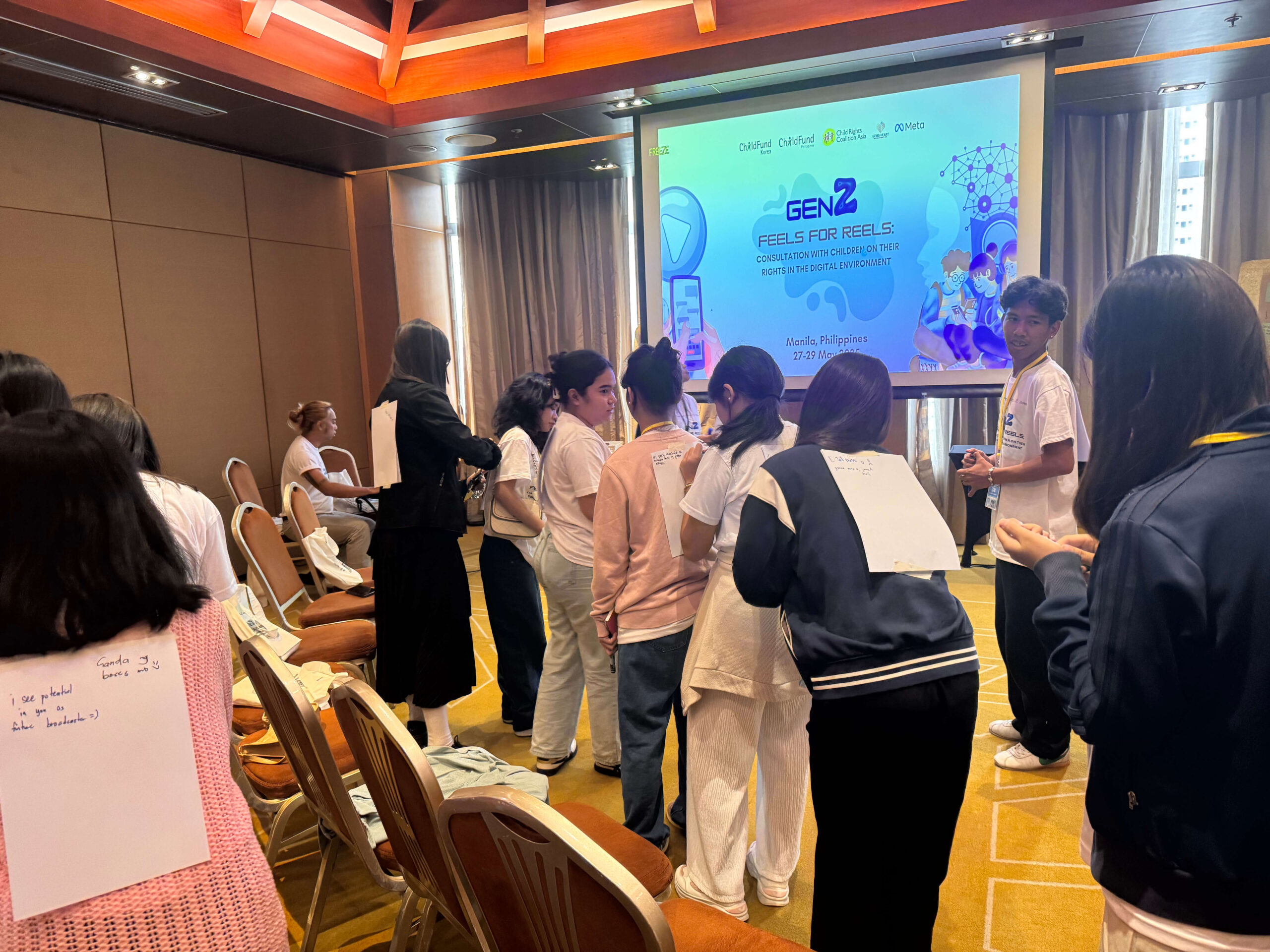
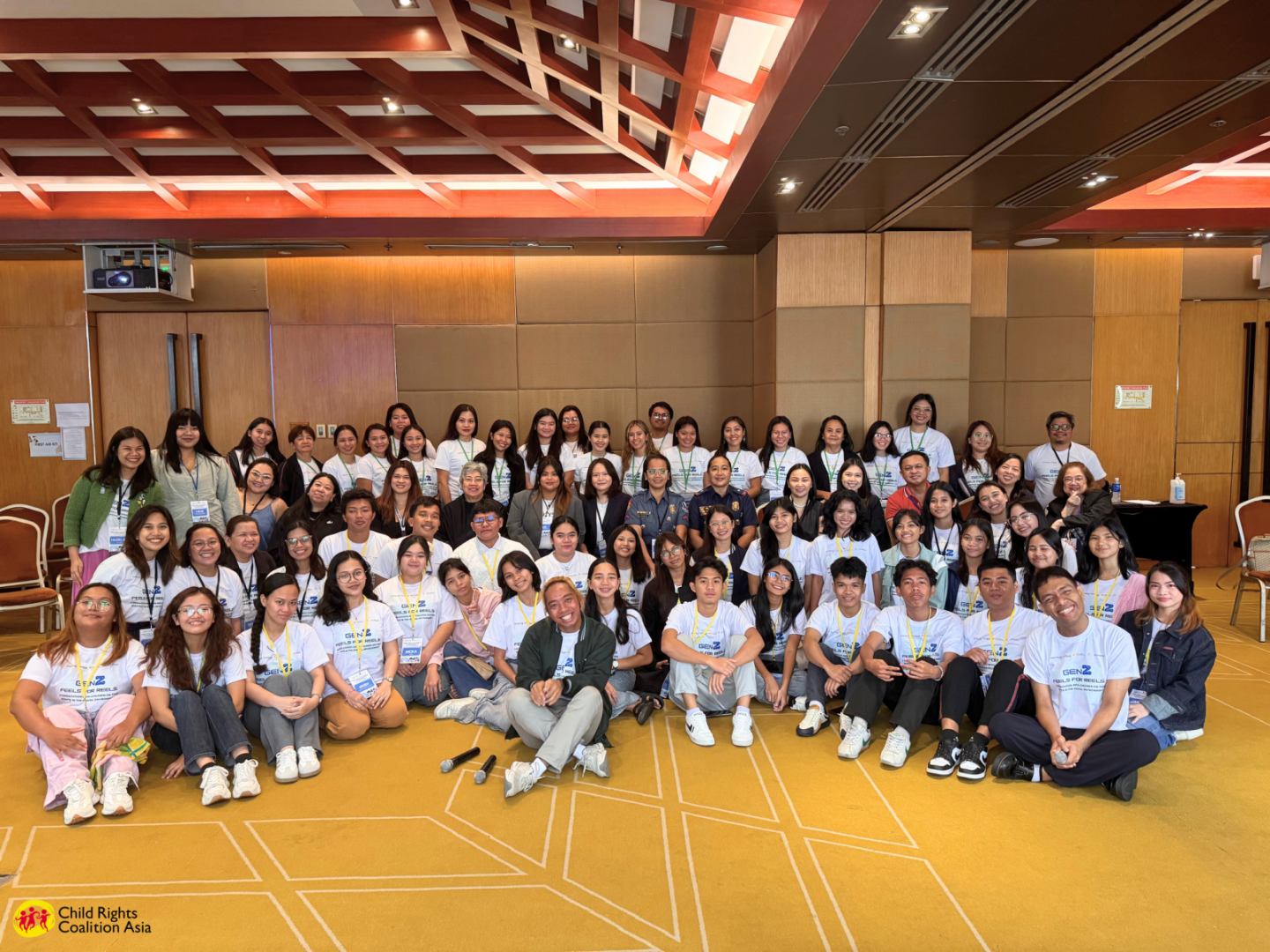
Child Rights Coalition Asia (CRC Asia), ChildFund Philippines, ChildFund Korea, and Meta, in partnership with the Down to Zero Alliance in the Philippines, held a three-day children’s consultation on children’s digital rights last May 27-May 29, 2025. 

It aimed to empower children in co-creating a digital world where children are not only safe, but also empowered to participate, express themselves, and access accurate information. Through interactive workshops, children shared their lived experiences on privacy, misinformation, freedom of expression, and emerging online risks — proving that young voices must be central in shaping digital spaces that impact their lives.

Gen Z’s App-etite: Download or Delete? 

Children download apps mostly based on trends, curiosity, and peer influence but they also weigh risks like privacy. 

“We consider the popularity of the app, particularly online games, before deciding to download it,” said one child participant. 

Others mentioned how personal interests and needs also shape their decision. Sometimes children look for platforms to explore or “hang out” in, making these platforms an important space for play and socialization.

But they’re quick to delete apps that feel unsafe or no longer serve their needs. It is not just tech-savviness – children are aware about the spaces that make them safe and empowered.

Parental Control: A Double-Edged Sword

Children expressed mixed feelings about parental controls. While they appreciate the guidance, others feel stifled. As with anything, moderation and context is important. 

“Parental control can be acceptable depending on how it’s implemented and the specific context, moderation and adaptability to each individual’s situation are key,” said one group of participants. 

Red Flags on the Feed: Gen Z’s Call for Better and Verified Information

Fake news

Children have the right to access information and adults have a duty to ensure that this information is safe and understandable. To further probe their experiences, the children were asked to list down red flags they see on social media and what should be done about them.  

The children talked about the widespread issue of misinformation, especially about education, health, and disasters. One participant shared, “There’s fake news on the introduction of “Grade 13” in the Philippines with misleading links,” said one of the participants. These news usually use sensational headlines that grab attention but contain misinformation. 

The children note that these fake news are even more prominent during disasters and elections, causing confusion and harm. Health information was flagged as well because it can lead to self diagnosis instead of getting professional help. 

Children also flagged other types of fake news, such as fabricated showbiz issues. This includes false celebrity illnesses and deaths that cause distress to children, especially when they later discover that the information is fake. Children flagged this because of their empathy, noting that these can have a negative emotional impact on people. 

Other red flags they noted are related to OSAEC (Online Sexual Abuse and Exploitation of Children) such as the normalization of sexual content and sharing of sensitive materials on social media. “It’s alarming that these issues are often ignored, silencing the affected children and robbing them of their rights.” 

Proliferation of Scams 

Aside from misinformation, children also identified scams as red flags online. Recently, AI-generated posts that offer fake giveaways, job opportunities, and investment schemes with exaggerated returns are proliferating online. 

There are also a lot of clickbait posts with malicious links that redirect users to suspicious websites or unrelated apps such as e-commerce sites. This can potentially have hidden charges or drain e-wallet accounts. 

Who’s Accountable?

Children called on agencies like the Department of Education (DepEd), Department of Health (DOH), NBI, PNP, and even NGOs, to act swiftly against misinformation and scams. 

They also challenged influencers to use their platforms responsibly because their content can sway children. For example, there are increasing gambling promotions in influencer’s content, sneakily sandwiched in their videos. They said that these influencers should take into account the vulnerability of their audience, especially the children and youth. 

One participant raised that checking for the blue checkmark indicating that an account is verified isn’t enough anymore. “It’s easy to get a verified blue checkmark on Facebook through payment. So this does not always guarantee credibility. We should think before we click.

Are Children Truly Free to Express Themselves Online? 

Article 13 of the UN Convention on the Rights of the Child affirms children’s right to express themselves in different ways, whether verbal, written, or creative, as long as their expression does not hurt others. 

In the past years, children and young people continue to express themselves online as content creators, commenters, and sharers on various topics like culture, hobbies, art, gender, politics, and advocacy. For some, the online space is a safer place to express their authentic selves, free from societal judgement. But for others, this freedom remains out of reach.

When asked about how safe they are in expressing gender, culture, advocacies, and political opinions online, children have varied insights. 

    • On Gender: While there is growing freedom of expression and continued development, some lapses in sharing remain. Posts about women’s rights or LGBTQ+ issues often receive backlash from religious groups. 
  • On Culture: Children feel unsafe expressing their culture, citing instances of regionalism. People use the words “Bisaya” and “Mangyan” derogatorily, implying ignorance. Some children from Visayas and Mindanao also get made fun of for the way they speak, making them hesitant to express themselves in their language. 
  • On Politics: This category fared the lowest rating among all categories and in all groups of children, with most citing clashes in views with adults, age-based discrimination, and negative labelling. Some shared experiences of being told they lacked knowledge or were too young to have valid opinions, especially since they were not yet voters.
  • On Advocacy: Some children who use social media for advocacy get misunderstood or judged. For example, some children advocating for sex education earn backlash for being “inappropriate” or “indecent”.

Given these experiences, children also gave suggestions on what social media companies like Meta can do to make their platforms a more conducive space for children to authentically express themselves: 

  1. More accessible and user-friendly reporting tools 
  2. Improved content moderation, such as detecting harmful language before a post is published. If ignored, Meta should suspend or block the account to prevent harm. 
  3. Enhanced vocabulary of Meta’s filters to better detect context-specific hate speech 
  4. Strengthened account verification process to prevent creation of dummy or poser accounts 
  5. System that educate users when removing harmful content rather than banning them without explanation 

New Frontiers, New Risks

From AI and kidfluencers to online selling and the metaverse, children see both opportunities and dangers in emerging digital trends. Key concerns include the following:

Opportunities Risks  Recommendations 
Artificial Intelligence (generative AI and other forms)
  • quick access to information and ideas
  • streamlined tasks and increased productivity 
  • excessive reliance on AI
  • biased data
  • generation of false information and plagiarized content
  • job displacement
  • Fact-checking
  • a broader, more inclusive database to reduce bias
  • linguistic and cultural sensitivity in AI systems
Sharenting

(Parents sharing about their kids online)

  • documentation of child’s milestones,
  • potential income
  • raised awareness on child-related issues
  • reduction of parental isolation
  • identity theft
  • exposure to exploitation, pedophiles, online grooming
  • Importance of  consent
  • Prioritization of privacy
  • Limit audience reach
Kidfluencers

(Kid influencers) 

  • Financial independence at young age
  • Risk for exploitation
  • Bad influence to other children (in some cases) 
  • Adult supervision
  • Restriction of their content to child-friendly platforms
  • Clear guidelines from government
Online Selling
  • increases access to entrepreneurship
  • supports small businesses
  • accessibility to products that interest children 
  • online scams and selling tricks
  • Overspending and compulsive online shopping
  • tax-related issues
  • exploitation as a form of entertainment
  • exposure to online abuse during live selling sessions
  • child labor, as young sellers may be forced to take on responsibilities beyond their age
  • Consumer protection
  • child safety
Gaming and Metaverse
  • Income from app development or tournaments
  • Entertainment
  • Stress relief
  • Socialization
  • Addiction
  • Bullying 
  • Neglected schoolwork
  • Healthy boundaries

Their message? Design systems with child safety, consent, and digital literacy at the core.

Bridging Generations for a Safer Internet

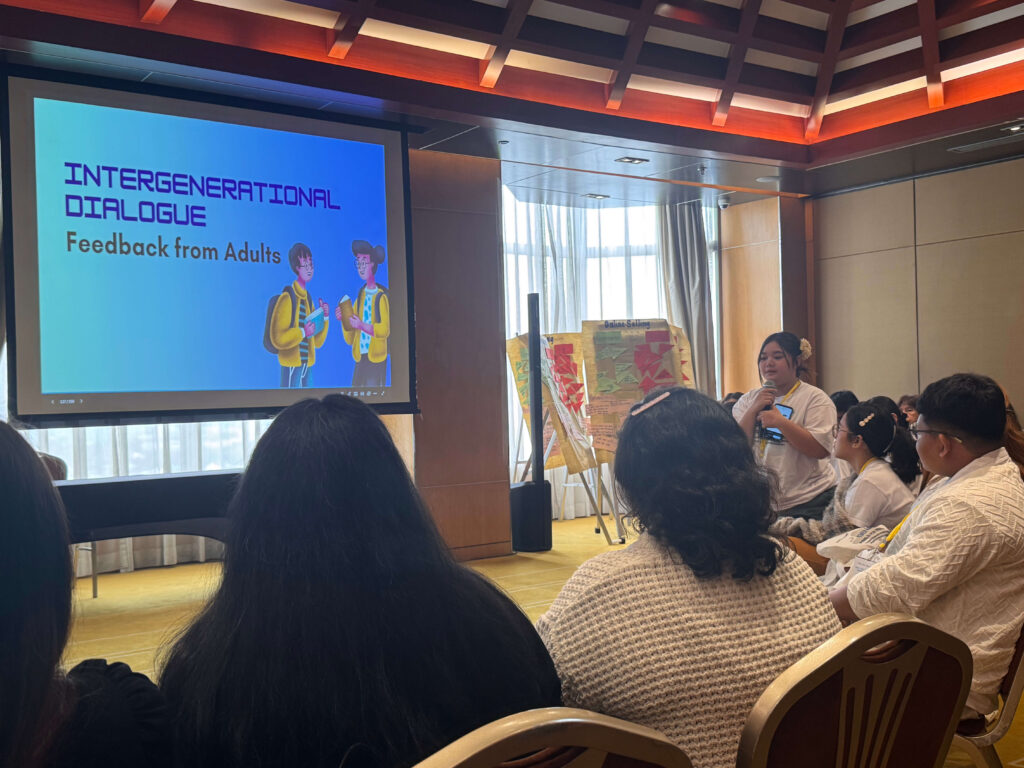
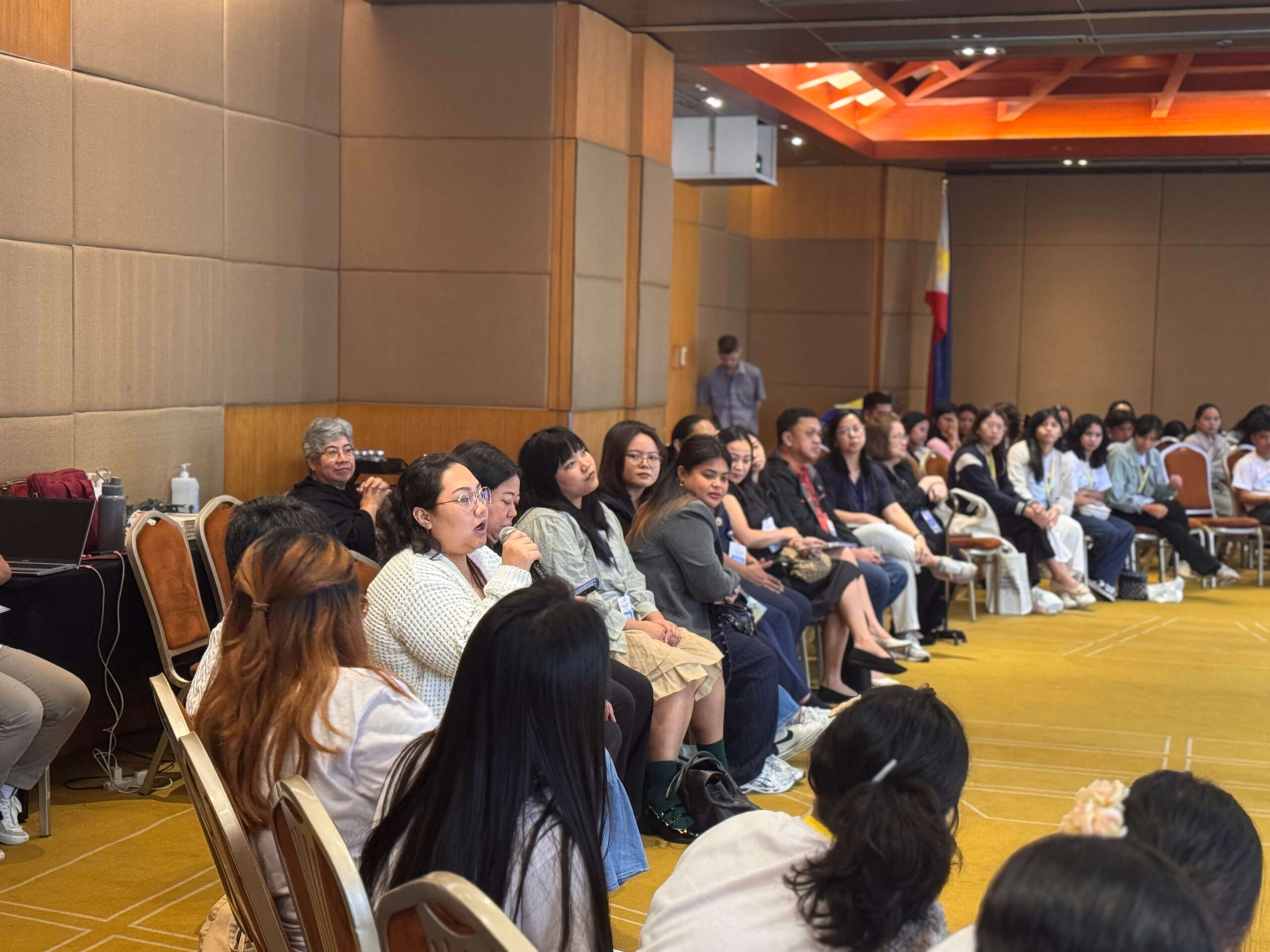
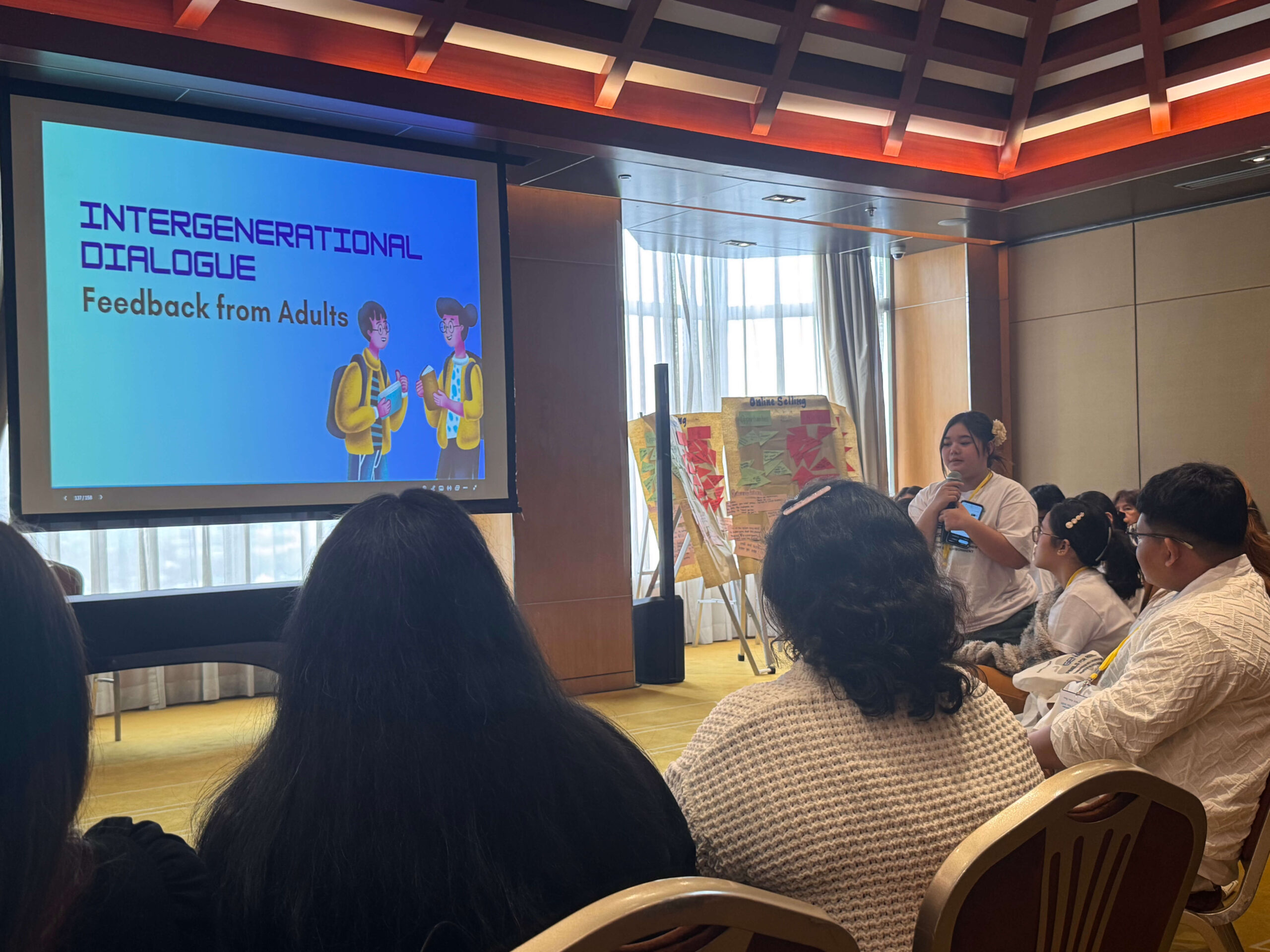
The consultation concluded with an intergenerational dialogue featuring government agencies, civil society, tech companies, and, most importantly, children. Representatives from different stakeholders such as the Council for the Welfare of Children (CWC), The National Privacy Commission (NPC), PNP-WCPC, Meta, Canva, PLDT-Smart, Child Rights Network (CRN), Save the Children, World Vision were present. 

The children were able to share their key messages and recommendations in various creative ways to the plenary. Afterwards, there was a feedback session where adult participants were able to react and ask questions – and vice versa. The conversation laid the groundwork for shared responsibility in building a digital world where children aren’t just protected but truly empowered.

Children are not only users of the digital world. They are its builders, critics, and future leaders. It’s time we move from scrolling past their voices – to making them the headline.
The post Gen Z Feels for Reels: Listening to Children on Digital Rights appeared first on Child Rights Coalition Asia.

]]>
With 2025 Elections Approaching, CRC Asia Urges Lawmakers to Prioritize Child-Centered Justice Reforms https://www.crcasia.org/with-2025-elections-approaching-crc-asia-urges-lawmakers-to-prioritize-child-centered-justice-reforms/ Mon, 14 Jul 2025 01:11:45 +0000 https://www.crcasia.org/?p=26761 As the 2025 Philippine senatorial elections draw closer, Child Rights Coalition Asia (CRC Asia) is calling on candidates and policymakers to put children’s rights at the forefront of their legislative agendas. CRC Asia’s recent consultations on children’s access to justice and effective remedies highlight the urgent need for justice reforms that protect and empower children—an...

The post With 2025 Elections Approaching, CRC Asia Urges Lawmakers to Prioritize Child-Centered Justice Reforms appeared first on Child Rights Coalition Asia.

]]>
As the 2025 Philippine senatorial elections draw closer, Child Rights Coalition Asia (CRC Asia) is calling on candidates and policymakers to put children’s rights at the forefront of their legislative agendas. CRC Asia’s recent consultations on children’s access to justice and effective remedies highlight the urgent need for justice reforms that protect and empower children—an issue that voters, especially youth advocates, will be watching closely.

Through these engagements, children across Asia emphasized that justice is not just about punishment—it must be about healing, dignity, and protection from future harm. “Justice should not just be about punishing the bad guys. It should help us feel safe again, help us recover,” shared one child participant.

With over 40 million Filipinos under the age of 18, CRC Asia stresses that children’s rights must be a key election issue, urging senatorial candidates to take a stand for child-friendly justice policies.

A Call for Senators to End Barriers to Justice for Children

CRC Asia’s findings reveal that fear of retaliation, corruption, and systemic intimidation are among the biggest barriers preventing children from seeking justice. Many children worry that speaking up about abuse will put them in greater danger, while others feel that the legal system is stacked against them. “Rich people can pay their way out. We don’t stand a chance,” a child shared.

Senatorial candidates must commit to passing laws that ensure free legal aid, create child-friendly reporting mechanisms, and strengthen protections for child complainants. With the election season in full swing, CRC Asia challenges candidates to clearly articulate their positions on justice reforms for children and pledge concrete actions to address these long standing barriers.

Updating Laws to Address Digital Crimes and Emerging Child Rights Issues
The consultations also revealed gaps in legal protections for children in the digital space, including online sexual exploitation, cyberbullying, and violations of digital rights. Additionally, issues like excessive academic pressure and the right to play remain unaddressed in legal frameworks. “There are no legal pathways for some children’s rights. If a child is overburdened with schoolwork or deprived of play, how do they seek justice?” questioned one adult participant.

With digital platforms playing an increasingly central role in children’s lives, CRC Asia is calling on senatorial candidates to champion legislation that strengthens digital child protection, ensures cross-border cooperation on online child abuse cases, and includes emerging child rights concerns in the country’s legal framework.

Justice Systems Must Speak to Children, Not Intimidate Them
Children also highlighted how courtrooms, police interactions, and legal jargon make the justice system inaccessible and intimidating. “Courtrooms are terrifying. The police talk like we’re criminals, even when we’re the victims,” one child shared.

To address this, CRC Asia is urging the next batch of lawmakers to push for:

Simplified, child-friendly legal language in courts and law enforcement,
Safe and welcoming spaces where children can report violations without fear, and
Mandatory child-rights training for police officers, judges, and legal professionals.
These reforms should be front and center in the 2025 elections, ensuring that justice systems are not just accessible to adults, but designed with children’s needs in mind.

Children and Youth Voters Demand Meaningful Participation
With over 13 million Filipino youth aged 18-24 eligible to vote in 2025, CRC Asia stresses that young people will play a significant role in shaping the country’s future. Youth-led movements have already demonstrated their power in past elections, and this time, they are demanding more than just promises—they want clear action plans on child rights and justice reform.

“We should be involved in designing justice programs. Not just adults telling us what is good for us,” a child advocate emphasized.

Senatorial candidates must not only listen to young voters but include them in policy-making processes, ensuring that children and youth have a say in the reforms that will shape their future.

Holding Governments, Businesses, and Institutions Accountable
Justice is not just about punishing individuals—it is about ensuring that governments, corporations, and institutions uphold children’s rights. Adults in CRC Asia’s consultations stressed that accountability must extend beyond individual crimes, saying, “Justice should address corporate and government accountability, not just individual crimes.”

This means stronger corporate responsibility laws, stricter enforcement against child labor and exploitation, and increased funding for child protection services. As the 2025 elections approach, CRC Asia challenges candidates to present clear policy positions on holding state and private actors accountable for violations against children.

Justice Requires Adequate Resources and Political Will
Without proper funding and government commitment, justice reforms remain ineffective. Adults highlighted the lack of resources for child protection services, with one participant stating, “Without resources, justice for children will always be just a dream.”

Elected officials must ensure sufficient budget allocations for:

  • Legal aid for child victims,
  • Shelters and psychosocial support services, and
  • Strengthening the capacities of justice institutions to be child-friendly.

A Challenge to 2025 Candidates: Will You Stand for Children?
As General Comment No. 27 moves forward, CRC Asia is calling on senatorial candidates, policymakers, and voters to recognize that justice for children is a national priority. Those running for office must go beyond rhetoric and commit to tangible legislative action that ensures child-sensitive justice systems, both online and offline.

“Justice is not just about punishing bad people. It’s about making sure no child ever has to go through the same pain again,” one child powerfully stated.

With the elections fast approaching, CRC Asia urges Filipino voters—especially young voters—to choose candidates who prioritize children’s rights, commit to meaningful reforms, and take a stand for justice.

The post With 2025 Elections Approaching, CRC Asia Urges Lawmakers to Prioritize Child-Centered Justice Reforms appeared first on Child Rights Coalition Asia.

]]>
#GetEveryoneInThePicture: Every Child Counts, No One Left Behind https://www.crcasia.org/geteveryoneinthepicture-every-child-counts-no-one-left-behind/ Mon, 23 Jun 2025 06:40:16 +0000 https://www.crcasia.org/?p=26747 The post #GetEveryoneInThePicture: Every Child Counts, No One Left Behind appeared first on Child Rights Coalition Asia.

]]>

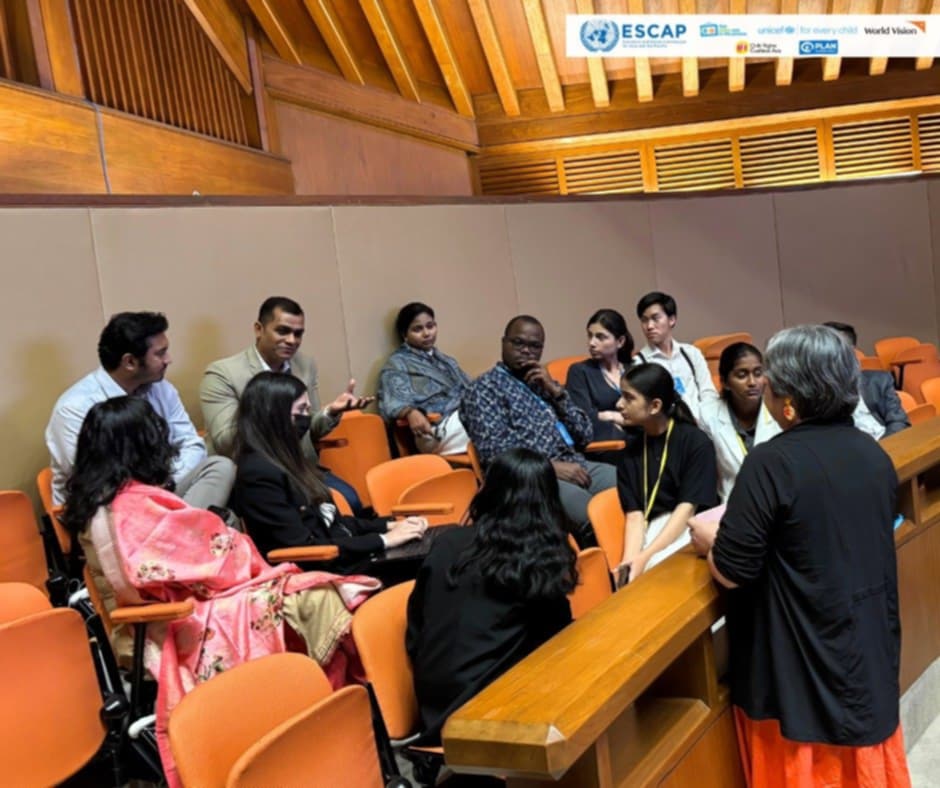
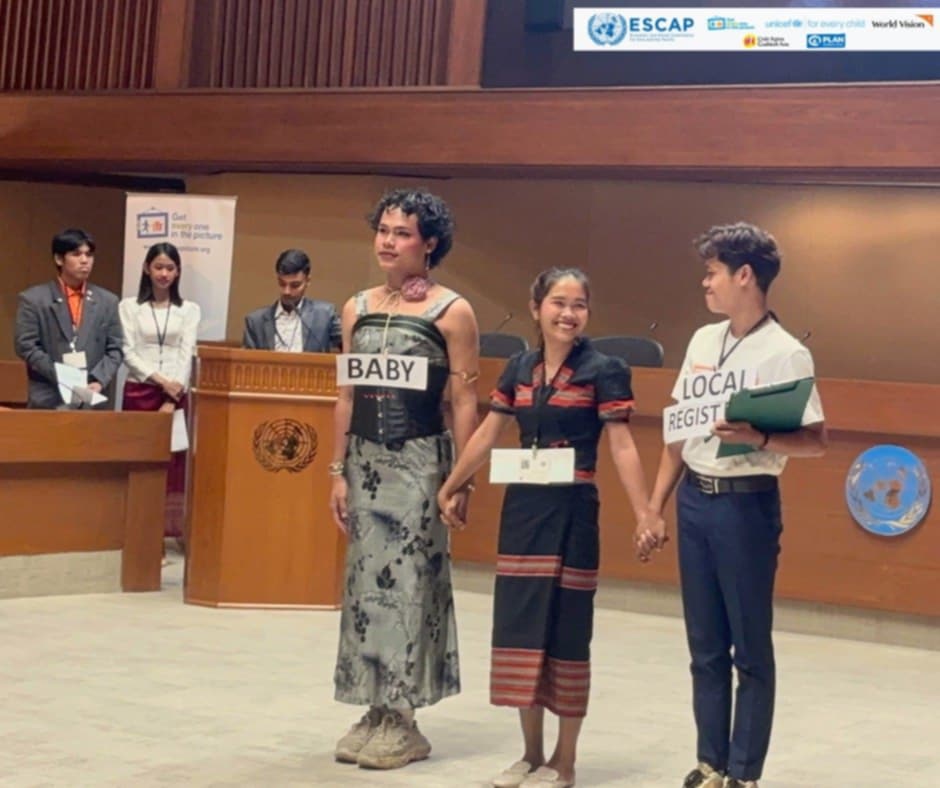
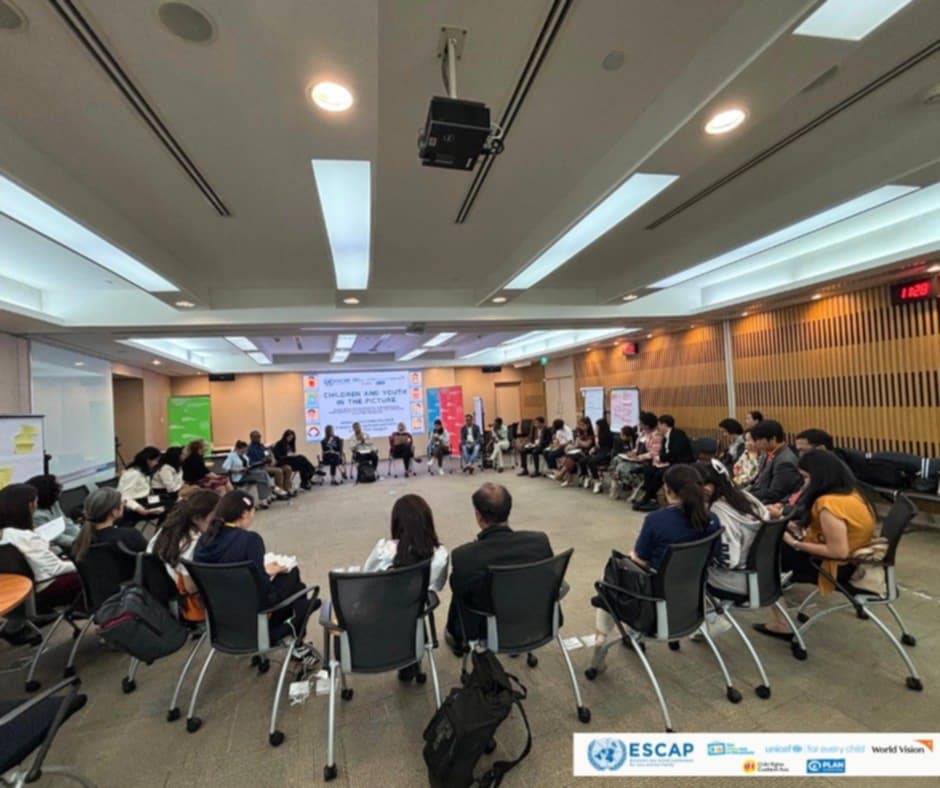
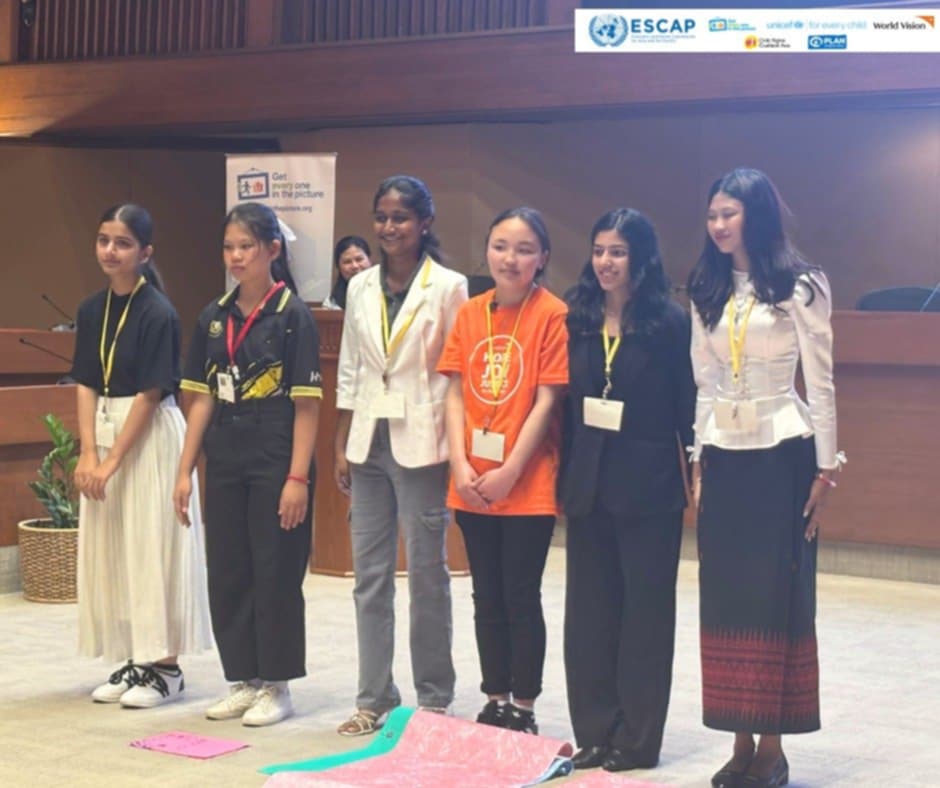
Last March 4-6, 2025, Child Rights Coalition Asia, in collaboration with United Nations ESCAP, World Vision International, Plan International, and UNICEF, hosted Children and Youth in the Picture: Young People’s Forum for the Third Ministerial Conference on Civil Registration and Vital Statistics (CRVS) in Asia and the Pacific at the United Nations Conference Center in Bangkok, Thailand. 

This three-day event that amplified the call to #GetEveryoneInThePicture, provided a safe and inclusive platform for children and youth representatives from across the region to share key insights from their national consultations on civil registration and vital statistics.

Key Discussions and Insights from Children and Youth: 

  • Corruption in Civil Registration: The children and youth highlighted the importance of accountability for inefficiencies and misconduct in civil registration and demanded for fair and efficient service. They asserted that “Officials should be accountable. And corruption, like bribes for service, must stop.” They also called for a process where the people can communicate feedback to their government about these issues. 
  • Inclusion: Participants explored policy reforms that promote respect and inclusivity in civil registration, which include training for staff to eliminate discrimination based on gender, religion, economic status, or culture. They also highlighted the need for governments to “ensure inclusive civil registration by considering fragile contexts like migration, statelessness, conflict, polygamy, and abandonment”. 
  • Expense and Access: A common point raised is that high fees and lack of access hinders registration especially for marginalized groups. This can be addressed by setting up more local facilities and mobile registration units, expanding digital registration platforms, and waiving fees for underprivileged communities. 
  • Digitalization of Registration: Digital systems can make registration faster, easier, and more accurate. The participants discussed how online portals and biometric verification can help increase accessibility, reduce costs and effort – encouraging birth, marriage, and death registration. However, they did not discount the importance of safeguarding this data and preventing misuse. 
  • Awareness and Education: Governments, NGOs, and INGOs have an important role in increasing awareness about children’s right to CRVS. Both children and youth groups highlight the need for capacity building through community education, consultations, localized and visually accessible IEC materials, and digital campaigns. 
    • Regulatory Implications: The children and youth highlighted that government policies should be reviewed and reformed to “align laws, improve implementation, and strengthen civil registration and vital statistics systems to meet community needs and human rights”. 
  • Social Implications: Other than the regulatory implications, they also indicated that governments should study the potential negative effects of registration, including problems with inheritance, pension, and social exclusion. Governments, community leaders, religious leaders, CSOs, schools, and universities should also raise awareness about the different situations of marriages.

Looking Ahead: Working Together for A Future Where Everyone is Seen, Heard, and Counted

CRC Asia remains committed to empowering children to actively engage with governments, ensuring their voices are heard on issues that impact their rights, including their right to CRVS. Their message is clear—children and youth are calling on governments, civil society, and their peers to work together to strengthen CRVS systems across the Asia-Pacific region. Their recommendations will be presented at the Third Ministerial Conference on CRVS this June 23-26. 

This forum brought together children, youth, and civil society organizations in a shared mission—to learn from each other, develop strategies, and strengthen efforts to #GetEveryoneInThePicture.

Here’s an excerpt from a powerful poem read by one of the children during their presentation of recommendations:

“Bridge the gap, break the silence, register now

Raise awareness, secure futures, register now

Transform communities, build equality, register now

Empower marginalized communities, promote equal opportunity, register now.”

The post #GetEveryoneInThePicture: Every Child Counts, No One Left Behind appeared first on Child Rights Coalition Asia.

]]>
Regional Children’s Meeting (RCM) 2024: #GENAI and Children’s Rights in the Digital Age https://www.crcasia.org/regional-childrens-meeting-rcm-2024-genai-and-childrens-rights-in-the-digital-age/ Mon, 23 Jun 2025 06:35:32 +0000 https://www.crcasia.org/?p=26749 The 2024 Regional Children’s Meeting (RCM), organized by Child Rights Coalition Asia (CRC Asia) with support from Plan International, Save the Children, Sverige Sweden, and Taiwan Foundation for Democracy, brought together 36 children from across Asia to discuss pressing issues affecting their rights in the digital environment. This year’s theme, #GENAI (Generative Artificial Intelligence), highlighted...

The post Regional Children’s Meeting (RCM) 2024: #GENAI and Children’s Rights in the Digital Age appeared first on Child Rights Coalition Asia.

]]>
The 2024 Regional Children’s Meeting (RCM), organized by Child Rights Coalition Asia (CRC Asia) with support from Plan International, Save the Children, Sverige Sweden, and Taiwan Foundation for Democracy, brought together 36 children from across Asia to discuss pressing issues affecting their rights in the digital environment. This year’s theme, #GENAI (Generative Artificial Intelligence), highlighted the opportunities and challenges that AI presents to children’s rights, intersecting with their civil and political rights.

The meeting, which was held in Bangkok, Thailand last August 14-16, 2024, provided a platform for children to share their experiences, learn from one another, and advocate for meaningful change in the digital world.

The meeting aimed to explore the evolving digital landscape and its implications for children. Discussions centered on the opportunities and risks of Generative AI, particularly its role in shaping children’s education, privacy, and advocacy work. Through interactive sessions, participants shared their experiences in navigating digital spaces, shedding light on both the empowering and exploitative aspects of technology. The program also sought to equip children with the skills and knowledge to safeguard their digital rights while amplifying their voices in decision-making processes.

Beyond discussions, the event fostered cross-cultural exchange through market booths and a cultural night where participants showcased their national identities, advocacy efforts, and traditional practices. This interactive element reinforced solidarity among young advocates and emphasized the richness of diverse perspectives.
Key Sessions and Discussions:

Over three days, five thematic sessions guided the conversations:

Session 1: Our Civil and Political Rights

Children examined how their civil and political rights are influenced by digitalization. Through a workshop, they explored whether their voices are genuinely heard in legislative processes and school policies.

Session 2: Empowering Child Human Rights Defenders (CHRDs)

Facilitated by experts from Childline Thailand Foundation and Amnesty International, this session focused on the role of digital tools in advocacy. Participants reflected on both the advantages and challenges of online activism, such as cyberbullying, algorithmic bias, and institutional neglect.

Session 3: Children’s Rights in the Digital Environment

A crucial conversation emerged on children’s right to privacy and freedom of expression in online spaces. Activities and discussions among children highlighted the growing concerns sharenting—where parents post about their children online without consent—and the rise of kidfluencers, whose digital footprints are often monetized at a young age.

Session 4: AI, May I?

A deep dive into Generative AI (Gen AI) prompted discussions on its benefits and ethical risks. While children acknowledged AI’s potential in amplifying advocacies, assisting with schoolwork, and content creation, they also raised concerns about misinformation, deepfakes, and data privacy. Children emphasized that while AI and digital platforms offer incredible opportunities, they also exacerbate societal inequalities. They raised concerns about how AI and digitalization disproportionately affects children from low-income backgrounds and those with disabilities, limiting their access to resources and increasing their vulnerability to exploitation. Furthermore, they highlighted the mental health impacts of excessive digital engagement, from cyberbullying to the emotional disconnect created by social media.

Participants formulated recommendations for policymakers and tech companies to ensure AI remains a tool for empowerment rather than exploitation.

Children’s Call to Action:

Children at RCM 2024 voiced clear and urgent recommendations:

  • Governments must strengthen regulations to protect children’s digital privacy and safety.
  • Tech companies should implement child-friendly safety features, ensuring that AI does not reinforce harmful stereotypes or exacerbate digital inequalities.
  • Children’s voices must be actively included in AI and digital policy discussions.
  • The digital divide must be addressed to ensure equitable access to technology for all children, particularly those in marginalized communities.
  • Schools and parents should integrate digital literacy education, equipping children with the skills to navigate online spaces responsibly.

Next Steps and Continued Advocacy

The recommendations from the children were not only shared with Meta but also presented at key international and regional forums to amplify their voices. In September 2024, CRC Asia brought these insights to the ASEAN ICT Forum on Online Child Protection in Bali, emphasizing the urgent need for stronger child safeguarding measures in digital spaces. Later, in December 2024, these recommendations were further discussed at the Virtual Side Event on Protecting Children under the UN Treaty on Business and Human Rights, highlighting the role of private companies in upholding children’s rights in digital environments. Finally, at the Internet Governance Forum in Riyadh and online, CRC Asia ensured that the perspectives of young advocates were recognized in global internet governance discussions.

CRC Asia is committed to amplifying children’s voices in global digital governance. Recognizing the growing risks of AI-powered disinformation—particularly in elections—CRC Asia is working with partners to push for stronger regulations on AI-generated content. There is also a concerted effort to establish child safeguarding policies within tech companies, ensuring that their platforms prioritize child safety and well-being.

As digital landscapes continue to evolve, CRC Asia and its partners remain dedicated to ensuring that children’s rights are at the heart of technological advancements. By empowering children as advocates, fostering meaningful dialogues with policymakers, and holding tech companies accountable, the movement toward a safer and more equitable digital world for children is well underway.

The post Regional Children’s Meeting (RCM) 2024: #GENAI and Children’s Rights in the Digital Age appeared first on Child Rights Coalition Asia.

]]>
On Labor Day, CRC Asia Call for Stronger Child Rights Protection in Philippine Labor Policies https://www.crcasia.org/on-labor-day-crc-asia-call-for-stronger-child-rights-protection-in-philippine-labor-policies/ Tue, 29 Apr 2025 16:01:52 +0000 https://www.crcasia.org/?p=26739 MANILA, Philippines, May 1 – As the nation commemorates Labor Day, Child Rights Coalition Asia is calling on policymakers and electoral candidates to integrate child rights into labor policies, ensuring a more just and equitable future for Filipino children, especially those of workers’ children. The call to action follows the roundtable consultation, Pag-uugnay ng Usapin...

The post On Labor Day, CRC Asia Call for Stronger Child Rights Protection in Philippine Labor Policies appeared first on Child Rights Coalition Asia.

]]>
MANILA, Philippines, May 1 – As the nation commemorates Labor Day, Child Rights Coalition Asia is calling on policymakers and electoral candidates to integrate child rights into labor policies, ensuring a more just and equitable future for Filipino children, especially those of workers’ children.

The call to action follows the roundtable consultation, Pag-uugnay ng Usapin ng Bata sa mga Kilusan ng mga Manggagawa at sa mga Unyon, held last December 2024 by CRC Asia in partnership with trade unions and workers’ organizations. The consultation highlighted the urgent need to mainstream child rights in labor discussions, particularly in access to quality education, healthcare, and protection from economic hardships that impact the children of workers.

Dahil sa dami ng pinaglalaban ng bawat kilusan, madalas hindi na natin nabibigyang tuon ang pagtutok sa mga karapatan ng bata. lalo na ang mga anak ng mga mahihirap at ng mga manggagawa,” said Amihan Abueva, CRC Asia’s Regional Executive Director.

Filipino children, especially those from working-class families, face significant challenges in accessing basic needs, including healthcare, education, and nutrition. Economic hardships lead to stunted growth, inadequate medical attention, and limited learning opportunities. Without stronger labor protections, many children are pushed into informal or hazardous work to supplement family incomes, depriving them of their right to education and a safe childhood. 

“Mayroong kakulangan ang lipunan ngayon sa pagtrato sa mga kabataan sa iba’t ibang aspeto na dapat solusyunan – mga kakulangan sa programa at polisiya sa pag-aangat sa karanasan ng mga kabataan,” said one trade union worker.

Recent data from the Philippine Statistics Authority (PSA) indicates that in 2022, approximately 1.48 million children aged 5 to 17 were working, an increase from 1.37 million in 2021. More than half (56%) of these working children were engaged in child labor, defined as hazardous work or work exceeding 40 hours per week.

With the upcoming Philippine elections, labor groups and child rights advocates are urging candidates to strengthen social protections for working parents, including living wages, parental leave and accessible childcare services. They are also calling for the implementation and enforcement of labor laws that protect children from economic exploitation, the expansion of free and quality education opportunities, including vocational and skills training programs for youth, and the institutionalization of child-friendly workplace policies that recognize the role of families in economic and social development.

During the consultation, it was noted that although laws protecting children exist, there remains a significant gap in their implementation, as well as in the support provided to parents for child care and child-rearing.There is really a call for greater enforcement of child protection policies and for more parenting support for workers’ families. The consultation reinforced the need for continuous dialogue and collaboration between trade unions, child-focused NGOs, and policymakers. 

“Ang pagbabago sa pagsulong ng mga karapatang pambata ay hindi kakayanin ng mga CSOs lamang. Kailangan ng pang-malakihang reporma sa iba’t ibang sektor. That is why we need to continue pushing for dialogues where workers, their children, and children’s representatives can directly engage with policymakers in shaping labor and social welfare policies,” said Abueva.

As the nation celebrates the contributions of Filipino workers, CRC Asia reminds the public that a robust labor movement is essential for the protection and empowerment of the next generation. The future of the Filipino workforce depends on how we uphold the rights of children today.

The post On Labor Day, CRC Asia Call for Stronger Child Rights Protection in Philippine Labor Policies appeared first on Child Rights Coalition Asia.

]]>
Children in Asia Unite for Climate Action on World Earth Day: “We Need Leaders Who Care About Us” https://www.crcasia.org/children-in-asia-unite-for-climate-action-on-world-earth-day-we-need-leaders-who-care-about-us/ Mon, 21 Apr 2025 11:13:58 +0000 https://www.crcasia.org/?p=26735 MANILA, April 22, 2025 – As the world comes together to celebrate Earth Day, children and youth across Asia are speaking up, demanding urgent action to protect their right to a clean, safe, and sustainable environment.  Nina, a young environmental activist from Indonesia, calls on world leaders and policymakers about plastic pollution. “I wrote to...

The post Children in Asia Unite for Climate Action on World Earth Day: “We Need Leaders Who Care About Us” appeared first on Child Rights Coalition Asia.

]]>
MANILA, April 22, 2025 – As the world comes together to celebrate Earth Day, children and youth across Asia are speaking up, demanding urgent action to protect their right to a clean, safe, and sustainable environment. 

Nina, a young environmental activist from Indonesia, calls on world leaders and policymakers about plastic pollution. “I wrote to world leaders about plastic pollution, but many have done little to stop it. We need leaders who care about us!” she exclaims. 

From polluted air and toxic plastic waste to climate-induced disasters, children bear the brunt of environmental degradation—yet their voices remain largely unheard in policymaking. Air pollution is now one of the most pressing health threats in Asia and the Pacific, with a third of all global deaths linked to air pollution occurring in the region. For children, the impact is devastating—many suffer from respiratory diseases, developmental disorders, and long-term health complications. 

In Indonesia, studies have revealed that microplastics have already infiltrated children’s bodies before they are even born, with 100 percent of breast milk samples tested containing microplastics. Meanwhile, Malaysia’s severe transboundary haze pollution has disrupted education for 1.7 million students, underscoring how environmental harm extends beyond health and into children’s fundamental rights.

Child Rights Coalition Asia (CRC Asia) calls for urgent action. “Breathing clean air, the most basic human need, has become a luxury in many parts of Asia. Governments must act now, or they will be held responsible for failing to protect children’s rights to a safe, clean, healthy and sustainable environment,” said Amihan Abueva, Regional Executive Director of CRC Asia.

Children’s Rights to a Safe, Clean, Healthy and Sustainable Environment

Governments must take responsibility by enforcing stronger environmental protection policies, regulating industries contributing to pollution, and ensuring that children have meaningful participation in shaping policies that impact their future.

“Children should be consulted in every decision our stakeholders make regarding climate change,” said Sofia, a child advocate from the Philippines.

Celine, a 17-year-old from Indonesia and a member of Bye Bye Plastic Bags Surabaya, echoes the same sentiment and urges society to break away from outdated hierarchies that silence young voices. “The older your age, the more right you are—this thought process has to be dismantled. Let’s have an open environment where everyone is welcome, and where our opinions matter,” she says.

Child Rights Coalition Asia (CRC Asia) is amplifying children’s voices, calling for decisive action from governments, businesses, and communities to address the escalating crisis.

“Legal mechanisms must be strengthened to allow children and affected communities to hold polluters accountable and seek justice for environmental harm,” said Abueva.

Schools, businesses, and communities also play a critical role in reducing single-use plastics, transitioning to clean energy, and improving air quality. 

Bianca, a 16-year-old from the Philippines and founder of SISU Organization PH, emphasizes the need for collective action. “It shouldn’t be a solo thing. Personal responsibility is good, but if we want systemic changes, then we have to come together.” 

Last October 2-3, 2024, CRC Asia, in partnership with the ASEAN Intergovernmental Commission on Human Rights (AICHR) Philippines organized the ASEAN Dialogue on the United Nations Convention on the Rights of the Child (UNCRC), which aimed to localize the implementation of UNCRC General Comment No. 26 on children’s rights and the environment with special focus on climate change (GC26) in ASEAN Member States.

Key recommendations from the dialogue included integrating children’s environmental rights into education curricula to raise awareness from an early age, ensuring child participation in decision-making processes related to climate action, strengthening corporate accountability by engaging businesses in responsible environmental practices, improving access to justice for children whose environmental rights have been violated, and finalizing the ASEAN Declaration on Environmental Rights and its Regional Action Plan to guide ASEAN Member States in implementing GC26.

“We remain steadfast in our commitment to empowering children and youth to take action. More than ever, we need to push for stronger regional cooperation to ensure that children’s voices are not only heard but also reflected in meaningful, lasting policy changes,” said Abueva.

The message from Asia’s children is clear: they are fighting for their future, and they need the world to stand with them.

The post Children in Asia Unite for Climate Action on World Earth Day: “We Need Leaders Who Care About Us” appeared first on Child Rights Coalition Asia.

]]>
Celebrating ASEAN Social Work Day: Honoring the Changemakers of Our Communities https://www.crcasia.org/celebrating-asean-social-work-day-honoring-the-changemakers-of-our-communities/ Wed, 26 Mar 2025 00:27:07 +0000 https://www.crcasia.org/?p=26720 MANILA, 25 March – Social workers are at the heart of community transformation, working tirelessly to protect children’s rights, empower families, and advocate for systemic change. Their efforts go beyond providing aid—they shape policies, challenge inequalities, and ensure that the most vulnerable have a voice. On ASEAN Social Work Day, stakeholders across the region come...

The post Celebrating ASEAN Social Work Day: Honoring the Changemakers of Our Communities appeared first on Child Rights Coalition Asia.

]]>
MANILA, 25 March – Social workers are at the heart of community transformation, working tirelessly to protect children’s rights, empower families, and advocate for systemic change. Their efforts go beyond providing aid—they shape policies, challenge inequalities, and ensure that the most vulnerable have a voice. On ASEAN Social Work Day, stakeholders across the region come together to celebrate these changemakers and recognize their vital role in building a just and inclusive society.

Reframing Social Work: Beyond Charity, Towards Systemic Change

Social work is often misunderstood as mere assistance—handing out relief goods or responding to crises. But it is so much more. At the recent Mainstreaming Children’s Agenda with Academe and Practitioners of Social Work roundtable organized by Child Rights Coalition Asia (CRC Asia), experts and social workers emphasized the need to shift this perception.

“We need to reframe our understanding of social work,” said Professor Lourdes Balanon, former Undersecretary of the Department of Social Welfare and Development. “It’s not just about charity—it’s about addressing the root causes of vulnerability and pushing for systemic change. Social workers must be equipped to advocate for policies that ensure children’s survival, development, protection, and participation.”

Bridging the Gap Between Theory and Practice

One of the biggest challenges in social work is the disconnect between academic training and real-world practice.

“Theories are important, but they must be applied,” she shared. “We need continuous dialogue between academia and practitioners to make sure that social work education reflects real-life challenges – especially those that impact children the most,” said Amihan Abueva, Regional Executive Director of CRC Asia.

This call was echoed by Professor Florence Flore-Pasos, who stressed the need to integrate child rights education into social work curricula. “Social workers are not just caregivers; they are policymakers, organizers, and advocates,” she said. “They need the right tools and knowledge to influence social transformation and real change. That means starting with the children; they are the most important human capital of society.”

The Power of Advocacy: Creating Impact from the Ground Up

Professor Mary Lou L. Alcid of the UP College of Social Work and Community Development highlighted the structural barriers social workers face. “There are already many capacity-building activities, but we need advocacy to address deeper issues – such as inadequate funding, excessive workloads, and the lack of plantilla positions for social workers in local government. Without addressing these, social workers remain overworked and underpaid,” she said.

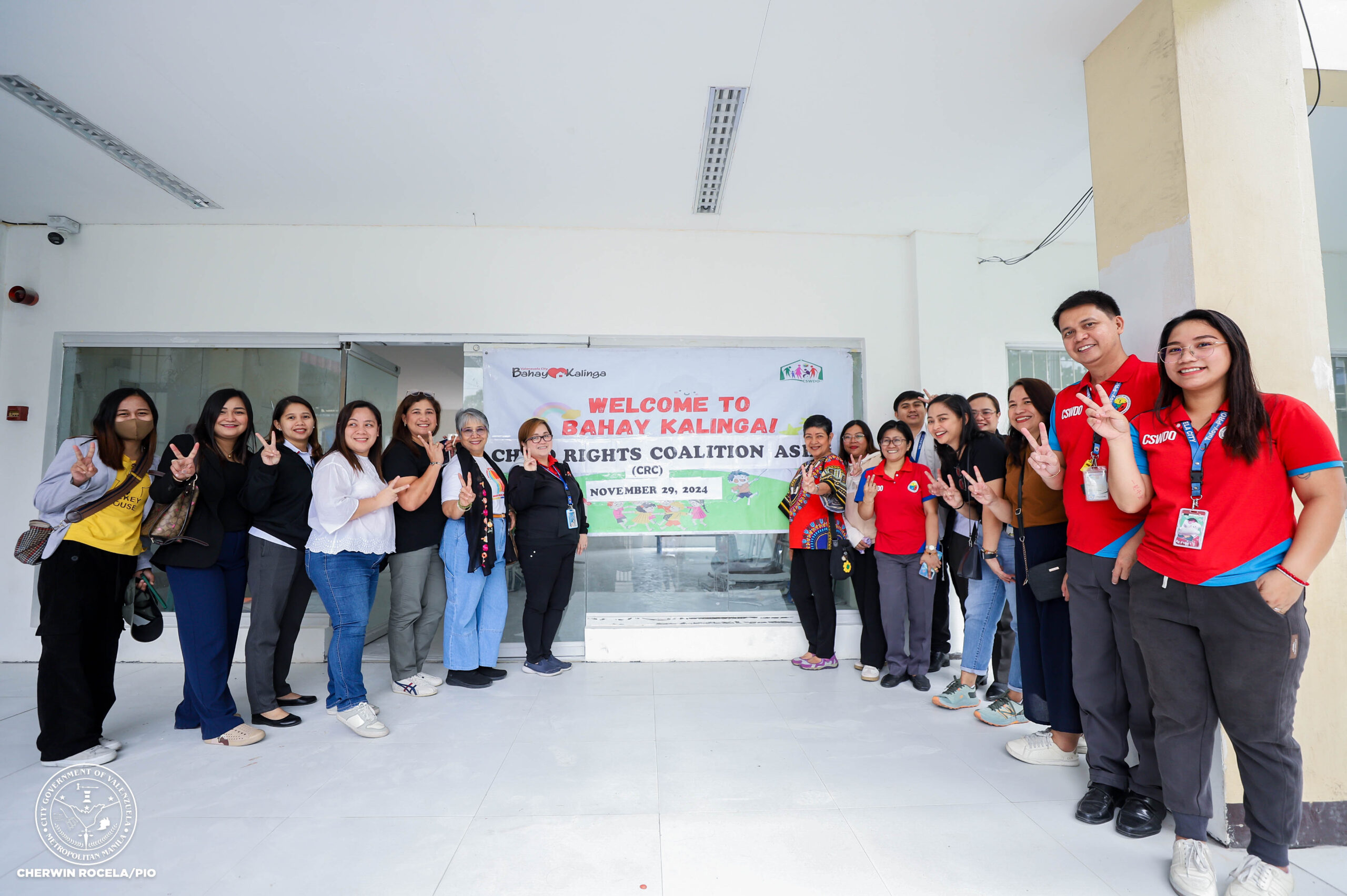
Social workers are often at the frontline of advocacy, working within systems that are slow to change. Ma. Kristina C. Ramos, Social Welfare Officer of Valenzuela City, shared how persistence and strategic engagement helped social workers in Valenzuela City establish a social work program at a local university.

“Our persistence paid off,” she said. “We engaged in ‘table battles’—negotiating with policymakers and presenting evidence—until we institutionalized social work education in our city. This is the kind of change we need more of.”

Strengthening Child Protection in Legal Systems

Social workers also play a vital role in the legal system, ensuring child-friendly judicial processes. Jennifer Sanggoyod, a social worker from Iligan City, raised concerns about the lack of specialized court facilities for children, which can lead to re-traumatization. “Children face unnecessary distress when they encounter their perpetrators in court due to the lack of proper spaces,” she explained. “While laws exist to protect them, resource constraints often hinder implementation.”

She emphasized that stronger collaboration between social workers, legal professionals, and local governments is essential in making the justice system truly child-friendly.

Moving Forward: Collaboration, Learning, and Professional Growth

A key takeaway from the roundtable was the importance of continuous learning and collaboration. Participants called for stronger partnerships between universities, civil society organizations (CSOs), and local government units to enhance training and professional development.

“We must document best practices, share knowledge, and create networks where social workers can learn from one another,” said Prof. Evelyn Balais-Serrano, President of BUKAL Inc. “This profession is built on collective action, and together, we can push for more systemic change.”

This commitment is further strengthened by ASEAN’s recognition of social work through the Hanoi Declaration on Strengthening Social Work Towards a Cohesive and Responsive ASEAN Community, which underscores the need to enhance social work services, strengthen policies, and invest in professional development to effectively address emerging challenges.

Honoring the Social Workers of ASEAN

Social workers are the backbone of social justice, working every day to ensure no child is left behind. As ASEAN Social Work Day is celebrated across the region, communities, policymakers, and organizations are encouraged to recognize their contributions, amplify their voices, and support their mission to create lasting change. Change starts with all of us—advocating, learning, and working together for a more just and inclusive society for and with children.

The post Celebrating ASEAN Social Work Day: Honoring the Changemakers of Our Communities appeared first on Child Rights Coalition Asia.

]]>
Child Rights Coalition Asia Calls to Advance Women’s and Girls’ Rights Amid Emerging Global Challenges https://www.crcasia.org/child-rights-coalition-asia-calls-to-advance-womens-and-girls-rights-amid-emerging-global-challenges/ Fri, 07 Mar 2025 07:33:02 +0000 https://www.crcasia.org/?p=26689 4 March 2025 – While progress has been made in advancing the rights of women and girls, urgent action is needed to address emerging challenges such as technological advancements, climate change, new forms of violence, and health inequities. This Women’s Month, Child Rights Coalition Asia (CRC Asia), a regional child rights organization, joins the whole...

The post Child Rights Coalition Asia Calls to Advance Women’s and Girls’ Rights Amid Emerging Global Challenges appeared first on Child Rights Coalition Asia.

]]>
4 March 2025 – While progress has been made in advancing the rights of women and girls, urgent action is needed to address emerging challenges such as technological advancements, climate change, new forms of violence, and health inequities.

This Women’s Month, Child Rights Coalition Asia (CRC Asia), a regional child rights organization, joins the whole of society in calling for all women and girls to fully enjoy their rights and achieve genuine equality and empowerment.

Child-Rights-Coalition-Asia-Calls-to-Advance-Women-Content

“This call to action is essential as digital gaps widen, climate crises intensify, and violence continues to take new forms. We must act collectively to ensure a future where every girl and woman is protected, included, and empowered,” said Amihan Abueva, Regional Executive Director of CRC Asia

Bridging the Digital Gender Gap

Technology is a powerful tool for progress, yet millions of girls remain excluded from digital access. According to a UNICEF study, Internet use among boys were double those of girls in Nepal, and quadruple those of girls in Pakistan. Weekly access to information media was also substantially lower among adolescent girls in Nepal, India, Afghanistan, and Timor-Leste.

“In the Asia-Pacific region, many girls face barriers such as limited internet connectivity, lack of digital literacy, and online harassment and exploitation, which prevent them from fully engaging in education and economic opportunities,” said.

Bridging the digital gender gap is therefore crucial to ensuring all children can safely access opportunities, education, and platforms to exercise their rights in the digital environment.

Ending Violence Against Women and Children

“In many parts of Asia-Pacific, harmful practices such as child marriage, trafficking, and domestic abuse remain widespread,” added Abueva. UNICEF estimates 736 million women—almost one in three—have been subjected to physical and/or sexual intimate partner violence, non-partner sexual violence, or both at least once in their life. This figure does not include sexual harassment.

1 UNICEF Gender and Innovation. What we know about the gender digital divide for girls: A literature review. In ‘Evidence briefs – Insights in the gender digital divide.” Retrieved from

“Too many girls live in fear every day. We should feel safe in our own homes and schools, but for many, that is not the reality,” shares Mei, a child advocate from the Philippines.

“Violence against women and girls in all its forms—physical, sexual, psychological, and online—must end. Strengthening legal protections, ensuring survivor-centered responses, and addressing harmful gender norms are critical steps toward a future free from violence,” said Abueva.

Addressing Climate Change Impact on Women and Girls

Women and children are also among the most vulnerable to climate-induced disasters. The United Nations estimates that 80% of individuals displaced by climate change globally are women. 2 In Asia-Pacific, women in coastal and rural communities face heightened risks due to rising sea levels, extreme weather, and food insecurity.

“I’m not going to die because of homework or a science project. My survival—our survival—lies in the condition of our environment,” says Ridhima, a young climate activist from India.

“Climate justice must prioritize protection, mitigation, and adaptation efforts that leave no one behind – especially children,” said Abueva.

It Takes a Village

“We, child rights advocates, can’t just fight on our own. We need to work together towards strengthening regional efforts, such as the ASEAN frameworks, to mainstream women’s and girl’s rights into concrete policies and collaborative action plans,” said Abueva.

CRC Asia has been working hard to constructively engage governments such as the ASEAN, the United Nations, and other stakeholders by voicing children’s concerns, recommendations, and opinions on matters concerning their rights in the digital environment, to protection from all forms of violence against children, and to a clean, safe, and healthy environment.

Abueva said, “We urge governments, civil society, private sector partners, and communities to work together in tackling these urgent challenges. Women and girls must not only be seen as beneficiaries but as active participants and leaders in shaping solutions. It is time to accelerate action for gender equality and the full realization of women’s and girls’ rights. Our collective future depends on it.”

2 UNICEF. 2023. Climate change’s greatest victims are women and girls. Retrieved from https://www.unicef.org/rosa/blog/climate-changes-greatest-victims-are-women-and-girls?utm_source=chatgpt.com

For media inquiries, please contact:
Mica Fernando
Communications Manager
Child Rights Coalition Asia
mfernando@crcasia.org | 09399181820

BOILERPLATE:
Child Rights Coalition Asia (CRC Asia) is a network of child rights organizations working for and with children in the Asia-Pacific region. CRC Asia works hard by focusing on protection from violence against children, advocating for children’s right to a clean, healthy, and sustainable environment, children’s right to health, children’s rights in the digital environment, children’s civil and political rights, and children’s access to quality education.

The post Child Rights Coalition Asia Calls to Advance Women’s and Girls’ Rights Amid Emerging Global Challenges appeared first on Child Rights Coalition Asia.

]]>
CRC Asia’s Role in Advancing Children’s Civil and Political Rights Through GC 27 https://www.crcasia.org/crc-asias-role-in-advancing-childrens-civil-and-political-rights-through-gc-27/ Fri, 21 Feb 2025 06:44:20 +0000 https://www.crcasia.org/?p=26682 Child Rights Coalition Asia (CRC Asia) has played a vital role in shaping General Comment No. 27 (GC 27) by ensuring that children’s voices are at the center of discussions on access to justice and effective remedies. Through regional consultations, CRC Asia gathered insights from children and adults, highlighting barriers, emerging issues, and practical solutions...

The post CRC Asia’s Role in Advancing Children’s Civil and Political Rights Through GC 27 appeared first on Child Rights Coalition Asia.

]]>
Child Rights Coalition Asia (CRC Asia) has played a vital role in shaping General Comment No. 27 (GC 27) by ensuring that children’s voices are at the center of discussions on access to justice and effective remedies. Through regional consultations, CRC Asia gathered insights from children and adults, highlighting barriers, emerging issues, and practical solutions to strengthen children’s civil and political rights.

Justice as Healing, Not Just Punishment

For many children, justice is not just about punishing offenders—it is about restoring dignity, rebuilding their lives, and ensuring they feel safe again. Unlike adults, who tended to focus more on legal accountability, children saw justice as a pathway to healing. One child explained, “Justice should not just be about punishing the bad guys. It should help us feel safe again, help us recover.” This view underscores the importance of justice systems that provide not just punitive measures but also emotional, financial, and social support to child victims.

To make justice meaningful for children, legal frameworks must incorporate restorative justice approaches, such as compensation, psychosocial support, and reintegration programs. Beyond holding perpetrators accountable, justice systems must actively contribute to children’s recovery, ensuring that they regain a sense of security and optimism for the future.

Fear and Distrust: The Biggest Barriers to Justice

Despite the existence of laws meant to protect them, many children remain silent when faced with injustice due to fear of retaliation. In the consultations, children repeatedly expressed concern that reporting abuse could put them at even greater risk. “If we report, will they come after us? What if no one believes us, and we are left alone?” one child asked. Corruption within justice systems further erodes trust, with some children stating that wealthier offenders can avoid accountability through bribes and influence. “Rich people can pay their way out. We don’t stand a chance,” another child shared.

This deep-seated fear and distrust highlight the urgent need for safe, child-friendly reporting mechanisms and stronger protection measures for child complainants. Governments must ensure that children who seek justice are not placed in harm’s way, by strengthening witness protection programs and making legal aid free and accessible. Corruption must also be addressed through accountability measures, so children can trust that the system works for them, not against them.

Justice Must Recognize Digital and Emerging Forms of Violence

As society evolves, so do the ways in which children’s rights are violated. The consultations revealed significant gaps in how justice systems address digital crimes, excessive academic pressure, and the right to play—issues that are increasingly affecting children but remain largely unrecognized in legal frameworks. Adults participating in the discussions acknowledged this oversight, with one stating, “There are no legal pathways for some children’s rights. If a child is overburdened with schoolwork or deprived of play, how do they seek justice?”.

With more children facing online exploitation, cyberbullying, and transnational rights violations, justice systems must adapt. Laws should explicitly define and address online child protection, ensuring that digital crimes against children are punishable and that victims can seek legal remedies. Cross-border cooperation must also be strengthened so that justice extends beyond national boundaries, protecting children in an increasingly interconnected world.

A Justice System That Listens to Children

Another recurring concern from children was that justice systems are intimidating, overly complex, and structured in ways that exclude them. Many children described feeling overwhelmed by legal jargon and the formal nature of court proceedings. “Courtrooms are terrifying. The police talk like we’re criminals, even when we’re the victims,” one child said.

For justice to be truly accessible, it must be child-friendly. Legal procedures should be simplified, and professionals working with children—judges, lawyers, law enforcement—must be trained to communicate in ways that are clear and non-threatening. Spaces where children report violations should be welcoming and safe, not cold and intimidating. Alternative dispute resolution methods, such as child-friendly mediation, should also be explored to make legal processes less distressing for children.

Legal Education Must Start Early

Many children do not know where to report abuse or even that they have legal protections in place. This lack of awareness makes it difficult for them to seek justice. One child expressed frustration, saying, “We should be taught in school how the justice system works. We don’t even know where to go when something happens.”

Adults in the consultations also agreed that legal education should begin early, and that human rights should be integrated into school curriculum. This would empower children with the knowledge they need to recognize violations and take action. Beyond schools, parents and communities must also be educated about children’s rights and legal protections, so they can support children in accessing justice.

Children Must Have a Seat at the Table

Justice cannot be effective if it is designed without the input of those it is meant to serve. Throughout the consultations, children made it clear that they want to be involved in shaping justice reforms, rather than having adults decide on their behalf. “We should be involved in designing justice programs. Not just adults telling us what is good for us,” one child emphasized.

This means going beyond consultation—it means actively involving children in policy discussions, program development, and decision-making processes related to justice. Governments and organizations must create platforms where children can safely express their views and ensure that their recommendations lead to real change.

Holding Governments, Businesses, and Institutions Accountable

Justice is not just about punishing individuals—it is about ensuring that systems and institutions uphold children’s rights. Adults in the consultations pointed out that governments, corporations, and other actors should be held responsible for violations, with one participant stating, “Justice should address corporate and government accountability, not just individual crimes.”

Ensuring justice for children means enforcing corporate responsibility laws, regulating businesses that exploit or harm children, and strengthening mechanisms that hold state actors accountable when they fail to protect children’s rights. Legal reforms must be backed by concrete action to prevent violations at a systemic level.

Justice Requires Adequate Resources and Collaboration

Without proper funding and coordination, justice reforms remain ineffective. Adults highlighted the lack of resources as a major barrier, with one participant stating, “Without resources, justice for children will always be just a dream.” Legal aid services, shelters, and psychosocial support programs must be adequately funded to ensure they reach the children who need them most.

Governments, civil society, and the private sector must work together to close the gaps in the justice system, ensuring that all children—regardless of their background—can access timely and effective remedies.

Moving Forward

CRC Asia’s work on GC 27 has reinforced the urgent need for justice systems that are truly child-centered—accessible, protective, and participatory. By continuing to amplify children’s voices, push for legal and policy reforms, and foster multi-sectoral collaboration, CRC Asia remains committed to ensuring that justice is not just a principle on paper but a reality for all children.

As one child powerfully summarized:

“Justice is not just about punishing bad people. It’s about making sure no child ever has to go through the same pain again.”

Through sustained advocacy, CRC Asia will ensure that the principles of GC 27 translate into real-world impact, transforming justice systems across the Asia-Pacific region.

#

The post CRC Asia’s Role in Advancing Children’s Civil and Political Rights Through GC 27 appeared first on Child Rights Coalition Asia.

]]>